Amul Expands Its Global Footprint Through Local Processing
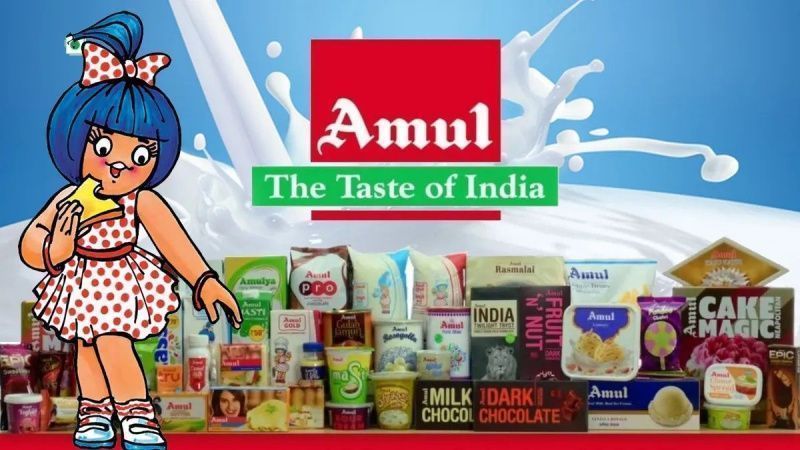
Amul’s international expansion is being organised around local processing rather than exports of fresh milk. The Gujarat Cooperative Milk Marketing Federation (GCMMF), which markets the brand, is working with overseas farmer-owned cooperatives, regional milk suppliers and domestic cold-chain operators. These partners process and package milk to Amul’s specifications for sale in local markets.
In the United States, GCMMF has partnered with the Michigan Milk Producers Association. The arrangement uses the American cooperative’s milk-collection system and bottling facilities. Its product range includes Amul Gold, with 6% milkfat; Shakti, with 4.5%; Taaza, with 3.25%; and Slim & Trim, with 2%.
In western Europe, Amul is working with Spain’s COVAP, or Cooperativa Ganadera del Valle de los Pedroches. Milk is processed at COVAP’s facilities in Andalusia and distributed as Amul Gold through urban grocery channels in Madrid, Barcelona and Lisbon. The federation is preparing to apply the same manufacturing arrangement in emerging markets across Southeast Asia and Africa, with ten additional international territories identified for entry.
The model requires production controls across independently operated plants. Amul’s specifications cover pasteurisation temperatures, homogenisation pressures and butterfat testing, while the finished products must comply with the rules of each market. Using existing overseas plants avoids the need for Amul to construct new factories abroad, but the company must maintain consistency in the composition and sensory characteristics of its retail milk.
Amul has traditionally exported products with longer shelf lives, including ghee, processed cheese in cans and milk powder. Fresh liquid milk presents different trading conditions because of its limited shelf life, refrigerated transport costs and sanitary import requirements. Local production also gives the brand access to established retail networks, including shops serving Indian diaspora communities and mainstream supermarkets. In developed markets, it competes with private-label milk and established processors, positioning its products around higher milkfat content and brand recognition.
The arrangement is designed to limit the capital required for international growth. Rather than building processing plants or acquiring companies directly, GCMMF uses the assets and operating capacity of its partner cooperatives. Reported turnover for the wider Amul group exceeds Rs 1 lakh crore, while GCMMF recorded sales of Rs 73,450 crore. Brand Finance reported a 24% increase in Amul’s brand equity, which the source linked in large part to the company’s North American commercial entry.
Amul’s domestic supply base remains centred on Gujarat’s cooperative network. More than 3.6m smallholder farmers supply milk through 18,600 village societies. Milk sold in Michigan or Madrid is sourced and processed through the local partner pools, so those sales generate processing revenue for American or Spanish dairy farmers rather than moving physical milk from Indian farms. Amul receives licensing fees, while the federation continues to expand its overseas brand and production network.