Vermont Dairy Farms Enhance Biosecurity with Avian Influenza Testing
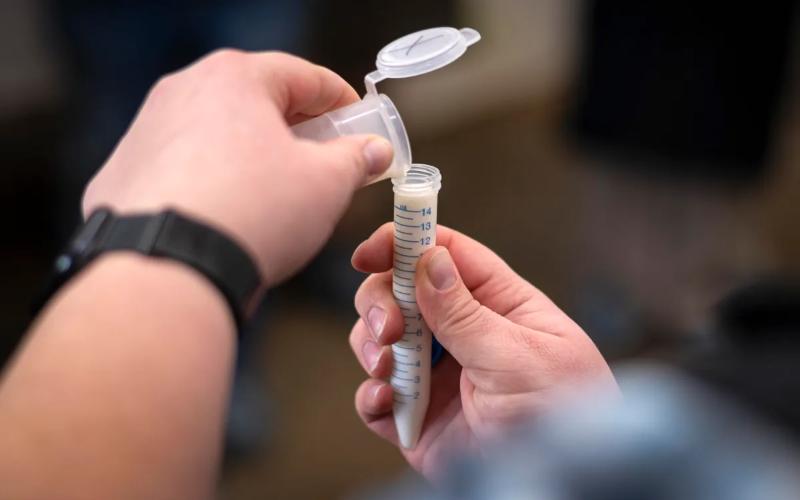
The Vermont Agency of Agriculture, Food and Markets (VAAFM) tests milk bi-monthly across 450 dairy farms to prevent the spread of highly pathogenic avian influenza (HPAI). This initiative follows USDA regulations requiring milk testing for HPAI to protect farm biosecurity and the food supply. Vermont has taken the additional step of testing every farm with animals producing milk for human consumption.
Jessica Waterman, a dairy farm inspector, conducts milk testing at farms such as Newmont Farm and Fort Waite Farm. As part of the biosecurity protocol, she washes her boots with an iodine solution before and after each visit. Sampling has been streamlined to occur every two months as of 2026, with some inspectors covering up to 65 farms in this period.
Newmont Farm, with its 1,800 Holstein cows, participates in this testing process seamlessly, according to Will Gladstone, one of the owners. The farm's milk, like others in Vermont, is tested for HPAI, and results are typically available the next day. The USDA's federal order in 2024 initially required testing for interstate milk shipments, which was later expanded to include all suppliers.
At Fort Waite Farm, which operates a robotic milking facility, owner Elijah White supports the testing but suggests it could be more resource-efficient by integrating samples already collected for other purposes. The farm is equipped with technology to monitor cow health, which complements the state's preventative measures.
In the last 30 days, the USDA confirmed HPAI in 80 bird flocks across the U.S., though Vermont has not recorded any cases. The agency encourages farmers to monitor poultry movement and use physical barriers to deter wild birds, reducing the risk of HPAI introduction.
Inspector Waterman mails samples weekly to Cornell University for testing. In case of a positive result, impacted milk is removed from production, and farm biosecurity measures are heightened. While HPAI poses minimal risk to humans, the USDA aims to prevent potential mutations that could pose a greater threat.