USDA Opens Enrollment for 2027 Dairy Margin Coverage
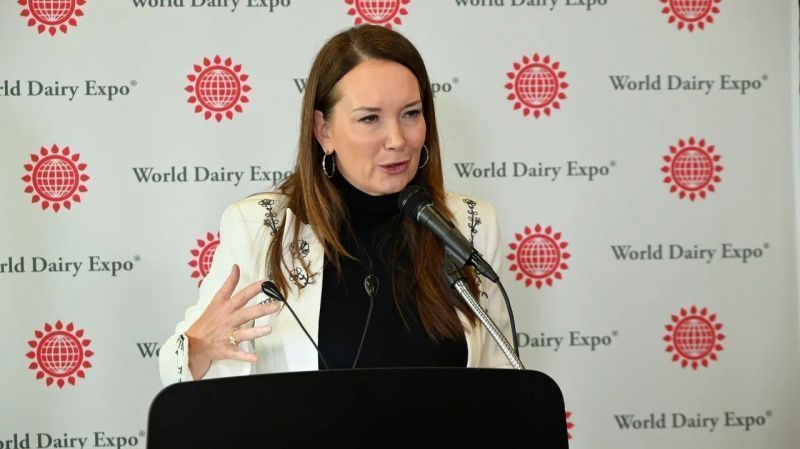
The US Department of Agriculture said enrollment for the 2027 Dairy Margin Coverage programme will run from October 5 through December 18. Agriculture secretary Brooke Rollins announced the schedule during a September 30 visit to World Dairy Expo. The application period is longer than the one-month window used in 2026.
Dairy Margin Coverage provides payments when the difference between the national all-milk price and the national average feed-ration cost falls below a margin selected by a producer. Under the programme’s statutory reauthorisation through the Working Families Tax Cut Act, baseline protection is available through the 2031 calendar year.
The revised rules increase the annual milk-production limit for the least expensive Tier 1 coverage from 5m pounds to 6m pounds. Producers may also update their historical production records to account for changes such as herd improvements, expanded facilities and higher yields per cow. Farms that commit to uninterrupted protection through 2031 qualify for a 25% reduction in annual Tier 1 premiums.
Farm incomes have faced pressure from the relationship between milk revenue and feed expenses. Producers last received direct programme payments in January and February, while grain-market conditions and soybean-meal prices have affected operating cash flow. Industry projections cited in the source indicate that higher feed costs during the autumn could lead to further payments before the end of the year. The programme allows margin protection up to $9.50 per hundredweight.
Other federal farm measures have expanded eligibility under the Agriculture Risk Coverage and Price Loss Coverage programmes by adding as many as 30m base acres nationwide. Alfalfa was not included as a primary covered commodity, but producers could assign up to 15% of tillable acreage planted with eligible non-programme crops between 2019 and 2023. Grass hay was excluded from the allocation. The treatment of perennial forage has prompted discussions about possible administrative changes.
US livestock authorities are also gradually restoring cattle movements across the southern border after a 15-month interruption linked to New World screwworm outbreaks. Inspection services have resumed at Douglas, Arizona, and Santa Teresa, New Mexico. A third facility at Columbus, New Mexico, is due to reopen if containment indicators remain favourable. More than 1.5m feeder cattle historically crossed the border each year. A Mexican biosecurity facility is expected to produce 100m sterile flies by the end of the year, while a second facility in south Texas is planned for next spring.