USDA Reintroduces Whole Milk in U.S. School Programs
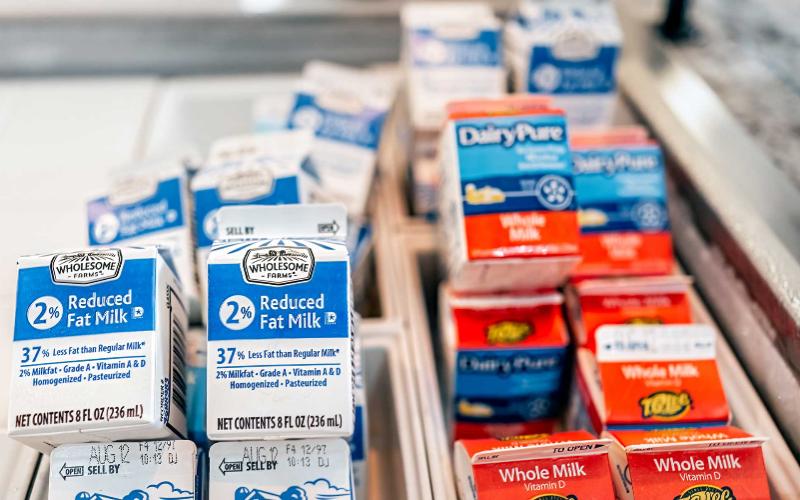
The United States Department of Agriculture (USDA) has officially reintroduced whole milk and reduced-fat milk into school feeding programs, marking a significant shift in nutritional policy. This change has been welcomed by the dairy industry, which believes it could boost milk consumption among children and adolescents.
The decision was made following a review of school dietary guidelines, aiming to provide more flexibility to educational institutions. According to reports, authorities believe reintroducing higher-fat milk options might improve the acceptance of dairy products in school cafeterias, where consumption had shown signs of decline in recent years.
Organizations related to dairy production have supported this move, arguing that whole milk provides essential nutrients such as calcium, proteins, and vitamins. They also claim that previous restrictions limited the choices available to students and negatively impacted the U.S. dairy supply chain, especially amidst changing consumption habits.
However, the reintroduction of whole milk has reignited debates among public health and nutrition experts. While some sectors advocate for a wider range of options in school programs, others emphasize the need to maintain controls related to saturated fat consumption and childhood obesity rates. This discussion highlights the ongoing tension between public health, consumer preferences, and the sustainability of the dairy market.
For the international dairy industry, the USDA's decision signals a significant evolution in food policy in one of the world's largest dairy markets. Analysts suggest that this change could influence consumption trends, marketing strategies, and regulatory debates in other countries with similar school nutrition programs.