US Dairy Targets Sub-Saharan Africa for Long-Term Growth
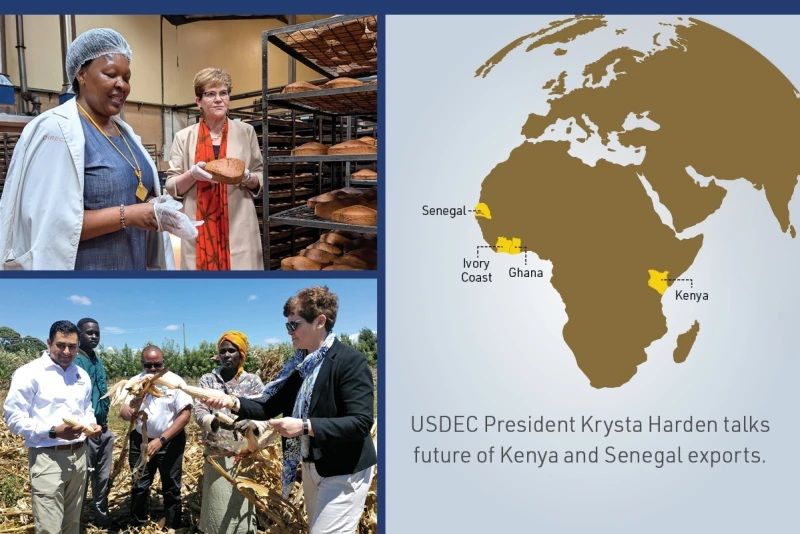
The US dairy industry is identifying commercial opportunities in sub-Saharan Africa as population growth and higher disposable incomes increase demand in markets where domestic processing capacity remains limited. The US Dairy Export Council (USDEC) has highlighted Kenya, Senegal, Ghana and Ivory Coast as priority countries for developing trade corridors.
Africa is expected to represent one-quarter of the world’s population by 2050. US trade representatives have linked the region’s demographic expansion and income growth to the need for long-term market development alongside established destinations for American dairy products.
Market entry and competition
US suppliers face established European competitors, particularly in Francophone West Africa. European exporters hold substantial shares of dairy imports in countries such as Senegal, supported by geographic proximity and longstanding commercial relationships.
USDEC is presenting American dairy on the basis of product consistency, quality and the ability to supply at scale. The stated approach is not centred on competing solely through lower prices or replacing local smallholder production systems.
Infrastructure and payment terms
USDEC’s work includes market research and discussions with importers, processors and financial institutions. The organisation is also examining the logistics required to move dairy products through countries with different import rules and commercial practices.
Cold-chain networks remain fragmented across the target markets. Other obstacles include differing tariff schedules and non-tariff regulatory requirements. Trade officials have also noted that importers in some of the countries generally prefer payment in cash before delivery, rather than the longer credit arrangements common in more mature markets.
Products, nutrition and local engagement
USDEC ingredients specialists are assessing how dairy solids could be used by commercial processors and are discussing their nutritional and functional characteristics with local businesses. The outreach is taking place alongside competition from plant-based products, which are also seeking a position in consumer markets.
The council’s technical programmes include farmer-to-farmer contacts and a focus on social inclusion. They highlight the participation of women producers in agricultural supply chains across the region.
Long-term trade development
The strategy places emphasis on building distribution systems, improving infrastructure and establishing payment procedures over several years. US export officials have described the programme as capacity building and market development rather than an attempt to move large volumes quickly.
Kenya and Senegal are among the countries where US dairy representatives are prioritising partnerships and cold-chain investment. The work is intended to create the commercial and logistical conditions for wider dairy trade between the United States and sub-Saharan African markets.