Uruguay links China beef quota to Brazil milk dispute
Uruguay was allocated 324,000 tonnes of beef exports to China for 2026 under preferential tariff conditions. The government says the country’s producers are unlikely to use the entire allowance before the end of the year. Brazil and Australia have expressed interest in taking part of any unused volume.
Alejandro Sánchez, Uruguay’s secretary of the presidency, described the possibility of allowing Brazil to manage access to some of the remaining quota as a gesture in bilateral relations. He compared it with what he called Brazil’s political involvement during the dispute over Brazilian imports of milk powder from Uruguay.
Uruguay cannot transfer the quota on its own. Any reassignment would require a decision by China’s Ministry of Commerce, and no final authorisation has been issued. The discussion therefore concerns a possible allocation rather than an approved change to the 2026 export arrangement.
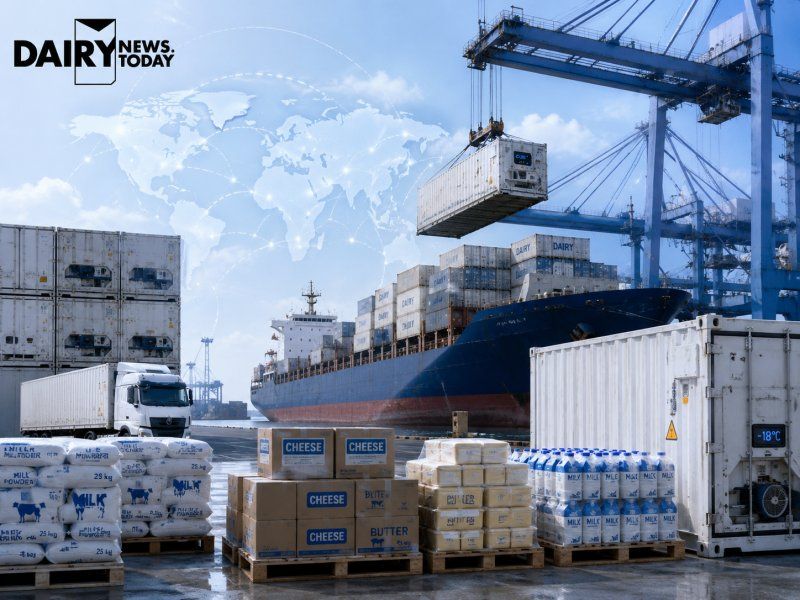
The dairy dispute began with a Brazilian investigation into milk-powder imports from Uruguay and Argentina. In June, Brazil published Gecex Resolution No. 907, which imposed definitive anti-dumping duties on certain imports of whole and skimmed milk powder from the two countries. The rate set for Conaprole, Uruguay’s largest dairy company, was $613.32 per tonne; different amounts applied to other Uruguayan companies.
The same resolution suspended collection of the duties immediately on public-interest grounds. Brazilian customs are therefore not currently charging the additional levies. Brazil is conducting a further public-interest assessment before deciding what action to take, leaving the resolution formally in force while its application remains suspended.
Uruguay and Argentina challenged both the level of the duties and elements of the Brazilian procedure at the latest meeting of Mercosur’s Common Market Group. Conaprole has separately argued that the investigation was irregular and questioned its compatibility with international trade rules. Those positions remain claims by the affected parties; Brazil’s resolution has not been withdrawn, and the proceeding has not produced a final finding that resolves the dispute.
The connection between the beef quota and the dairy case has prompted debate in Uruguay. A column published by Todo El Campo argued that the competitiveness of Uruguay’s dairy industry reflects productive efficiency and questioned linking the two matters. The government has instead presented the possible use of the beef quota by Brazil as part of bilateral co-operation. For dairy exporters, shipments to Brazil can continue without the suspended duties being collected, but the future conditions of that trade remain under review.