U.S. Milk Production Continues Its Expansion
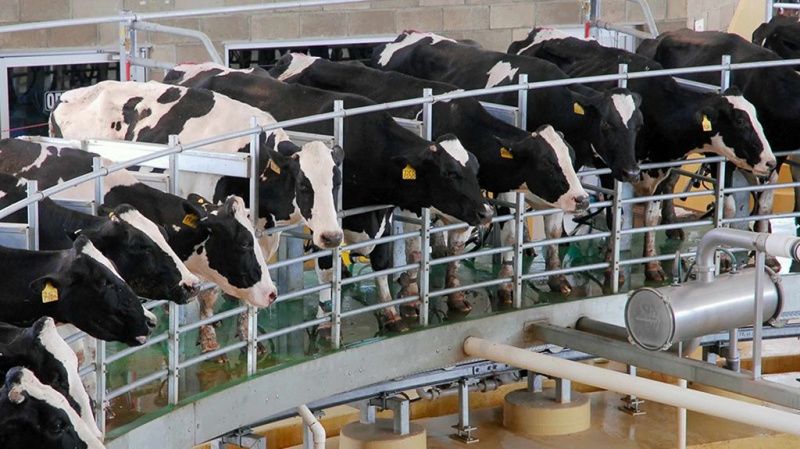
Milk production in the United States has maintained a sustained expansion, according to TodoLechería. The sector is described as one of the more dynamic and competitive parts of the international dairy market, with total milk and dairy-solids volumes increasing despite climate pressures and volatility in operating-input prices.
Higher output per milking cow is a central feature of the expansion. Farms are using biotechnology, genomic selection and precision nutrition, including real-time data to formulate balanced rations. Animal-comfort and welfare protocols are also used in the production system. These practices are associated with increases not only in daily litres per animal but also in butterfat and protein, including casein, which affect processing yields.
Production is becoming more concentrated in large-scale units, including mega-dairies. The sector’s geographical activity has expanded in parts of the Midwest, the Great Plains and the Southwest. Texas, Idaho, Kansas and South Dakota are among the states identified in the report as locations connected with this restructuring.
Processing investment has accompanied the changes on farms. Companies have opened and expanded large facilities producing hard cheeses and dehydrated, high-purity ingredients. These plants provide processing outlets for milk supplied by emerging production regions and add capacity for products with higher solids content.
Domestic demand for fluid milk has remained broadly stagnant, while the dairy chain has directed surplus production towards overseas markets. The United States competes with Europe and Oceania in supplying skimmed milk powder, specialised whey products and cheese. Mexico, Latin America and Southeast Asia are named as important destination markets.
The report also identifies constraints affecting the sector. They include water availability in arid areas, stricter environmental rules concerning carbon footprints and effluent management, and reduced availability of replacement heifers. The latter is linked in the report to the increased use of beef-on-dairy crossbreeding. Producers are also operating with high financing and energy costs, alongside the need to manage profitability.