U.S. Dairy Industry Sees Investment Surge Amid Protein Demand
The demand for whey protein in the United States has reached unprecedented levels, transforming the dairy industry. This surge is largely attributed to viral trends on social media and updated nutritional guidelines that now recommend higher daily protein intake. The U.S. government has increased the advised protein consumption from 0.8 grams to a range of 1.2 to 1.6 grams per kilogram of body weight, a change supported by the Secretary of Health, Robert F. Kennedy Jr.
As a result, whey protein, once a byproduct of cheese production, has become a staple ingredient in a wide variety of consumer foods on supermarket shelves. This increasing demand has put pressure on the existing production capacity, as it relies heavily on the volume of milk produced and the processing capabilities of cheese factories.
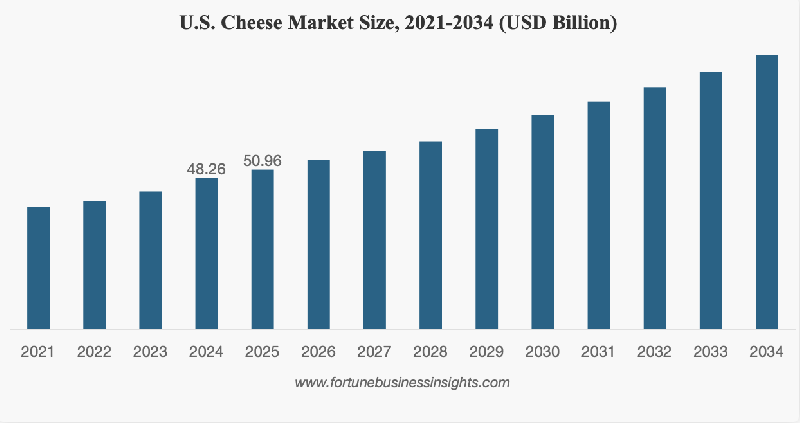
To address these capacity challenges, the International Dairy Foods Association (IDFA) reports that the industry is investing approximately $13 billion in plant expansions, technology upgrades, and logistical optimizations. Despite these investments, the supply of whey protein has not yet caught up with the rapid pace of consumption.
This imbalance has led to significant price increases, with general whey prices rising by around 40% in recent months. High-concentration whey protein products have seen price hikes of up to 150%, substantially boosting the profitability of cheese manufacturing companies.
The growing focus on functional nutrition and high-protein foods has solidified whey protein's role as a crucial revenue driver and a catalyst for technological advancements in the North American dairy processing market.