The Role of Trompillo in Traditional Chihuahua Cheese Production
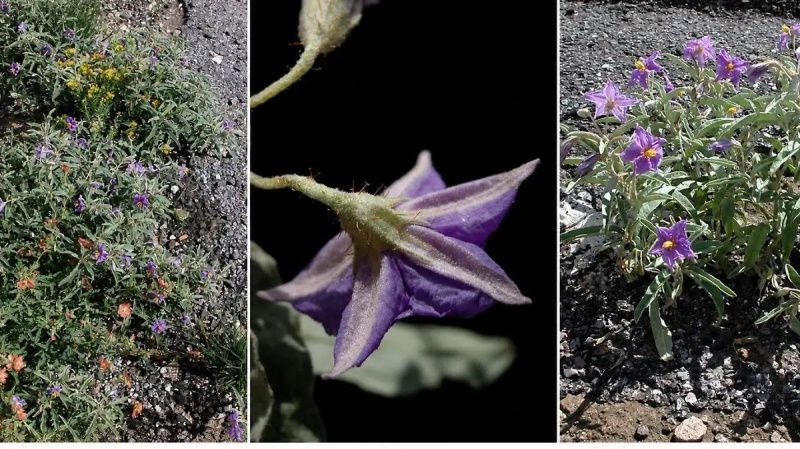
Trompillo, scientifically known as Solanum elaeagnifolium, is a hardy shrub native to the semi-arid regions of northern Mexico. This plant plays a significant role in the traditional cheese-making practices of the region, particularly in the production of Chihuahua cheese. With its ability to withstand extreme temperature fluctuations, trompillo has become a vital component in the local artisanal cheese industry.
The plant is easily recognizable by its star-shaped violet flowers and silver-furred leaves. Despite its ecological benefits, such as stabilizing soil and providing pollen for pollinators, trompillo is often considered a weed in large-scale agriculture due to its deep root system and resilience. However, local cheese producers value its mature yellow berries for their chemical properties, essential for milk coagulation.
The historical significance of trompillo dates back to the era of Nueva Vizcaya, where the introduction of cattle herds led to the development of regional cheese varieties like Chihuahua ranchero and Villa Ahumada asadero. These cheeses became economic staples for local ranchers, utilizing the natural coagulation method offered by trompillo.
In modern times, while large pasteurization plants favor commercial enzymes for efficiency, small-scale producers continue to use traditional methods. This involves collecting, drying, crushing the berries, and soaking them in water to release the enzymes needed for curdling milk. This method requires careful supervision to ensure the correct dosage of plant juice for optimal cheese elasticity.
A critical aspect of using trompillo is the management of solanine, a toxic alkaloid present in the plant. Proper handling is essential to ensure the cheese is safe for consumption. Continuous scientific research into these regional flora properties offers opportunities for traditional dairy producers to maintain competitiveness and support Mexico’s agricultural food sovereignty.