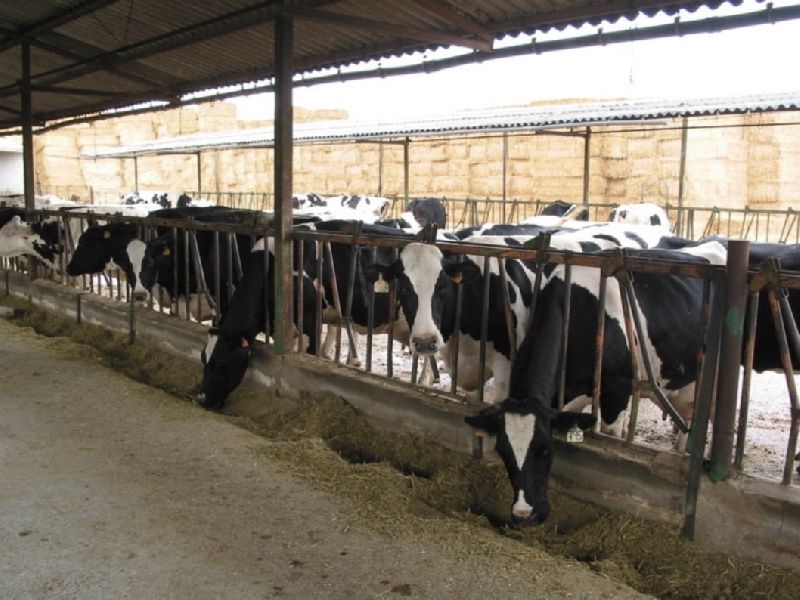
Tensions Rise in Karnataka Over Boycott of Cattle Fair Ahead of Bakrid
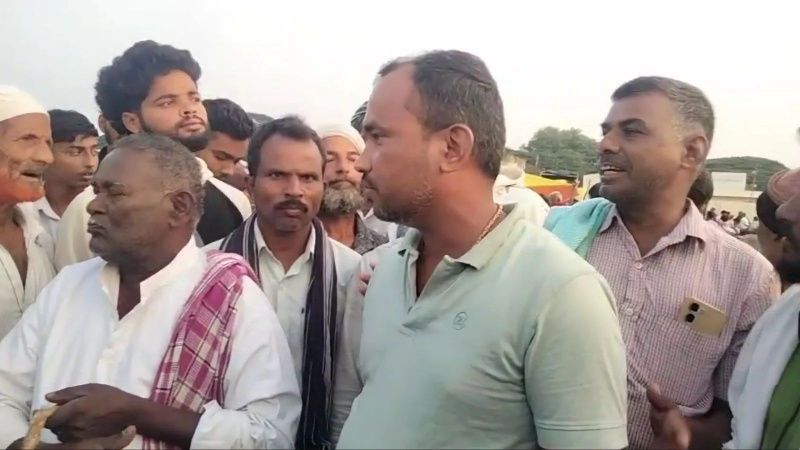
Tensions have emerged in Karnataka's Hassan district after several Muslim organizations announced a boycott of the region's traditional cattle fair in the lead-up to Bakrid celebrations. This development has disrupted livestock trading at a crucial time for farmers and cattle merchants, raising concerns about market access, rural incomes, and social stability in a significant dairy and livestock-producing area in southern India.
The controversy began when local farmers and Hindu groups opposed the sale of cattle intended for slaughter during the Bakrid festival. In response, Muslim traders and community representatives decided to stay away from the fair, citing an uncertain and hostile trading environment due to restrictions and pressure from activist groups. This has substantially reduced participation levels in the market.
The Hassan cattle fair is economically vital for dairy and livestock producers, particularly for farmers aiming to sell aging, non-productive, or surplus livestock before the monsoon season. The current disruption threatens to impact cash flow for rural households already grappling with higher feed and production costs. Traders have warned that reduced competition could lead to lower livestock prices for sellers.
Local authorities have attempted to defuse the situation by increasing police presence and holding discussions with community leaders to prevent further escalation. Political leaders and farmer representatives have urged both sides to maintain peace and avoid actions that could harm the rural economy. Officials emphasize that the cattle fair has historically served as a major agricultural marketplace for multiple communities across the state.
This dispute underscores the sensitive intersection of livestock trade, religious practices, and rural livelihoods in India. For the dairy sector, such tensions can create broader uncertainty regarding cattle movement, market confidence, and farm economics. Industry observers highlight the importance of maintaining stable livestock trading systems to support dairy producers and mixed farming operations across Karnataka's agricultural economy.