Study Reveals Price Sensitivity Differences in Food Purchases
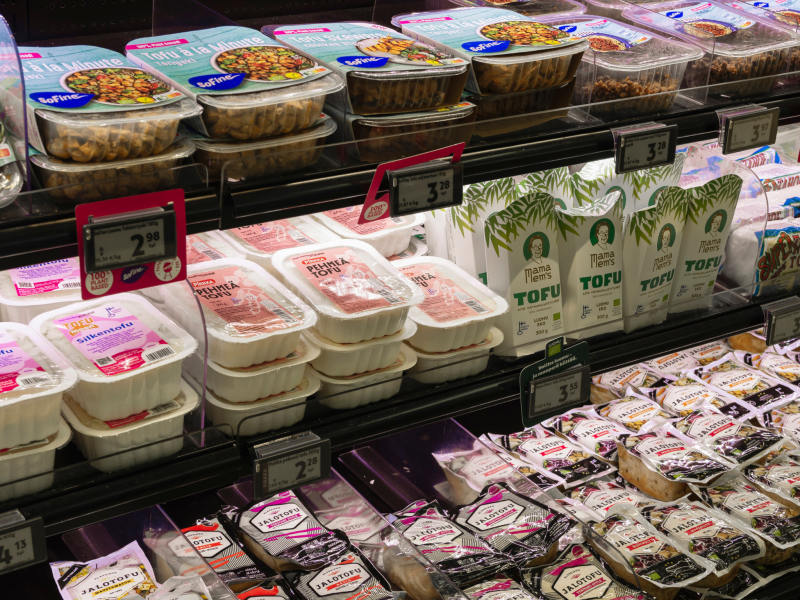
A comprehensive study conducted by Simon Fraser University has revealed significant differences in how price changes impact the purchasing behavior of consumers regarding meat and dairy products compared to plant-based foods. The study, which evaluated over 87,000 grocery carts in Canada and Finland, found that shoppers are generally less sensitive to price fluctuations in plant-based products than in animal-derived ones.
Research data was collected over a two-year period, examining purchases across seven plant-based categories and 14 animal-derived categories. The study concluded that consumer adjustments in meat purchases were more pronounced when prices changed compared to those in plant-based purchases. Cameron McRae, the lead author, stated that while price increases led to reduced purchases across both categories, the impact was more significant for meat.
The research also identified a notable variance in price sensitivity based on socioeconomic status. For plant-based products, the gap between high- and low-income shoppers was narrower, suggesting that factors other than price, such as ethical commitments or dietary preferences, influence plant-based food purchases.
In contrast, price sensitivity for animal-based products was higher among low-income consumers, aligning with previous studies on resource constraints and food purchasing behavior. The study also noted the smaller yet more pronounced impact of education on animal protein choices.
Despite these differences, affordability remains a central concern for both categories. In regions like Germany, where plant-based and animal-derived products have achieved price parity, sales of plant-based foods have increased. This trend is echoed in countries like Spain and the UK, where plant-based options are becoming cheaper than their animal-derived counterparts.
The Good Food Institute Europe found that the narrowing price gap between plant and animal proteins contributed to a 3% rise in plant-based food sales in 2025. McRae emphasized that for plant-based foods to be a viable sustainable option, they must not remain a premium choice.