
Safety Concerns Overpackaged Milk and Efficacy of Boiling Practices
Reports have surfaced alleging elevated levels of coliform bacteria in packaged milk, including products from Amul, causing consumer concerns about dairy safety. The milk in question undergoes high-temperature short-time (HTST) pasteurization, a process that removes over 99% of pathogens like E. coli and Salmonella but does not make the milk sterile.
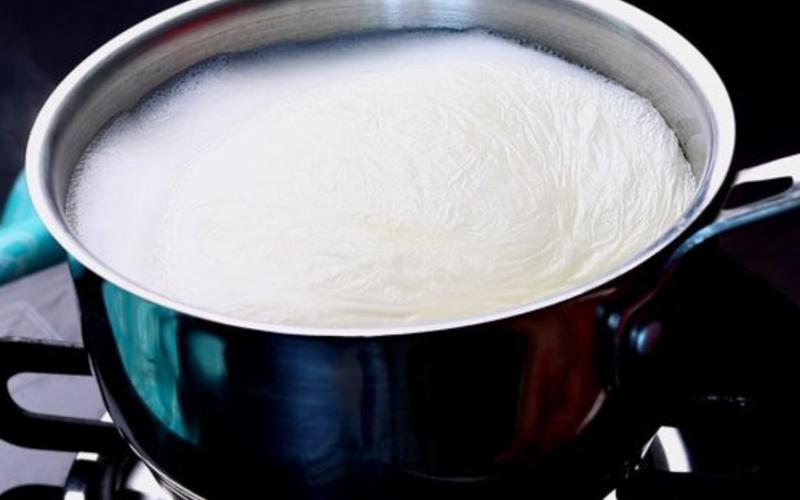
Boiling milk at home to temperatures exceeding 100°C for about five minutes can destroy most remaining vegetative bacteria, including coliform organisms, thereby enhancing safety. However, boiling does not address chemical adulterants such as urea or detergents, which remain unaffected by heat.
Maintaining the cold chain is essential for pasteurized milk, as bacterial growth accelerates between 5°C and 60°C. Food safety experts advise boiling milk immediately after purchase and storing it below 4°C to minimize contamination risks.
Ultra-high temperature (UHT) milk, which is heated to above 135°C and aseptically packed, remains shelf-stable until opened, making it less of a concern in safety debates.
There is also a comparison between packaged milk and loose milk. While loose milk is culturally preferred for its perceived freshness, it is unpasteurized and more susceptible to contamination. Packaged milk, with its standardized pasteurization and sealed distribution, offers better protection against environmental contaminants, provided the cold chain is maintained.
Basic home tests can indicate some forms of adulteration, but these are not substitutes for laboratory analysis. Despite the boiling practices, ensuring milk safety involves buying from reliable brands, boiling promptly, proper refrigeration, and considering UHT options for vulnerable populations such as infants and the elderly.