Rising Input Costs Threaten Viability of Northern India's Dairy Farms
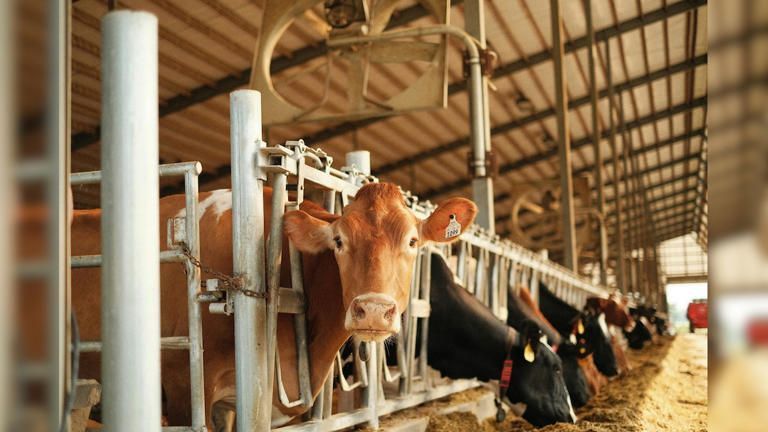
Northern India's dairy industry is experiencing severe economic pressures as rising input costs threaten the viability of dairy farming in the region. Political leader Digvijay Singh Chautala has highlighted the issue, criticizing existing policies for failing to address the challenges faced by livestock rearers. According to Chautala, unchecked inflation in essential agricultural inputs and daily-use commodities is putting significant financial stress on rural economies.
The cost of acquiring milch animals has surged dramatically, with good-quality buffaloes requiring investments between ₹2 lakh and ₹3 lakh, while dairy cows cost between ₹50,000 and ₹1 lakh. These substantial initial expenditures are compounded by increasing prices of essential feed formulations and commercial fodder ingredients, further inflating the daily maintenance costs of animals.
A critical issue is the disparity between the high costs of feed inputs and the relatively unchanged farmgate procurement rates. Farmers are facing significant financial losses due to elevated prices of feedstocks such as cottonseed cake, mustard cake, wheat bran, maize, soybean, fenugreek, gram husk, and gram feed. Despite these rising costs, the prices farmers receive for milk have not increased proportionately. Currently, buffalo milk is priced between ₹55 and ₹62 per liter, while cow milk fetches ₹40 to ₹45 per liter.
In response to these challenges, Chautala has called for immediate government action, urging the implementation of financial concessions or direct subsidies on commercial cattle feed to counteract the inflationary pressures. Such measures are deemed necessary to protect smallholders from economic instability and to maintain regional milk production volumes.
Experts and policymakers view the ongoing crisis as indicative of long-term risks for the rural economy. Without government intervention, the continued escalation of feed prices could render dairy farming unsustainable for many households that rely on it as a supplementary income source. Ensuring the stability of producer margins through effective input cost management is considered essential to prevent widespread herd reductions.