Rising Costs Challenge New Zealand Dairy Farmers' Profit Margins
New Zealand's dairy industry is experiencing significant financial pressure due to rising input costs, pushing the breakeven milk price to $8.79 per kilogram of milksolids (kgMS). This marks an increase of 36 cents from previous estimates, according to DairyNZ's latest Economic Update. Farm working expenses have also escalated, reaching $6.19/kgMS, up from $5.65/kgMS in the previous season.
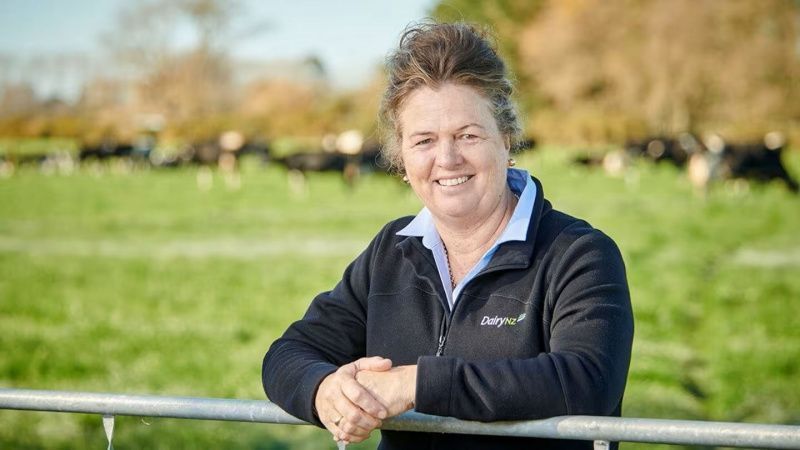
The primary factors contributing to these increased costs are geopolitical disruptions affecting fuel, feed, and fertilizer—collectively known as the 'four Fs.' Despite a historically high forecast for milk prices, these rising costs have reduced profit margins for New Zealand farmers. The current situation, with Fonterra's forecast farmgate milk price midpoint at $9.25/kgMS, leaves little room for debt repayment or significant capital expenditures beyond basic depreciation, as reported by DairyNZ chair Tracy Brown.
An average New Zealand dairy farm, producing approximately 185,000 kgMS annually, now faces an operating surplus of only about $85,000 above breakeven. This scenario necessitates careful budgeting and conservative cash flow management to sustain operations.
In response to these challenges, New Zealand's agricultural leaders are looking towards global counterparts like Ireland for insights. Ireland's dairy sector has successfully utilized crossbreeding to produce smaller, more efficient cows optimized for grass conversion. The use of a unified digital platform, 'PastureBase Ireland,' has enhanced data standardization and pasture utilization across the sector.
Ireland has also integrated beef-on-dairy genetics to eliminate bobby calves, creating a secondary revenue stream for dairy farms through a structured, data-driven beef breeding index. This aligns with a broader global trend where dairy operations increasingly contribute to protein supply in the beef sector.
Despite these advancements, the Irish dairy sector is also under pressure from stringent European Union nitrogen derogation rules and water quality mandates. To address these challenges, Irish rural communities have formed coordinated catchment groups to improve environmental outcomes, offering a potential model for New Zealand farmers facing similar high-cost, tight-margin conditions.