Reducing Meat and Dairy Could Enhance Health and Environmental Goals
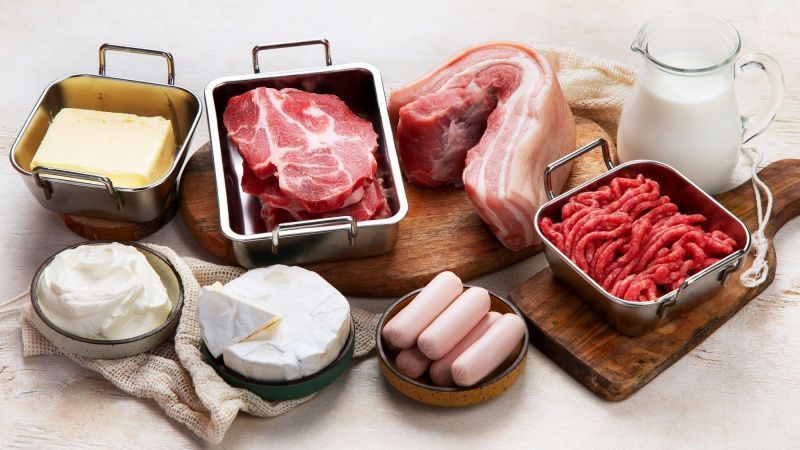
A recent study published in Nature Food explores the potential benefits of reducing meat and dairy consumption among Scottish adults. Researchers utilized dietary data from the 2021 Scottish Health Survey, which included 3,447 adults aged 16 and older, to analyze the impacts on nutrient intake, health outcomes, and environmental sustainability.
The study modeled 35 different dietary pathways, including reducing both meat and dairy and dairy-only pathways, to align with recommendations by the UK Climate Change Committee and the Scottish Dietary Goals. Notably, dairy intake was generally cut by 20% across these pathways.
Key findings indicate that most dietary pathways resulted in positive outcomes for nutrition, health, environmental sustainability, and cost-effectiveness. The most significant benefits were found when red meat consumption was reduced to 31g daily among high consumers, coupled with a 20% reduction in dairy, without substituting other foods.
This approach led to substantial declines in chronic disease risk, environmental impacts, and daily diet costs. The study estimated that over a decade, this pathway could prevent 59,248 cases of type 2 diabetes and 18,595 cases of cardiovascular disease, while reducing all-cause mortality by 2,240 cases.
Environmental benefits were observed in all reduction pathways, with significant decreases in greenhouse gas emissions. Pathways focused on reducing red meat intake among high consumers showed the greatest environmental improvements.
In terms of diet affordability, most scenarios maintained or reduced costs. The most effective pathway saved an average of £0.41 per person per day. Replacing meat with vegetables or beans provided smaller cost savings, while replacing it with oily fish increased costs.
The study also highlighted limitations, such as the reliance on self-reported dietary data and potential underreporting, which may affect nutrient intake estimates. Additionally, the environmental assessment excluded certain life cycle stages like packaging and retail transport.