Punjab's Shift to Unripe Maize Silage Boosts Dairy Feed Exports
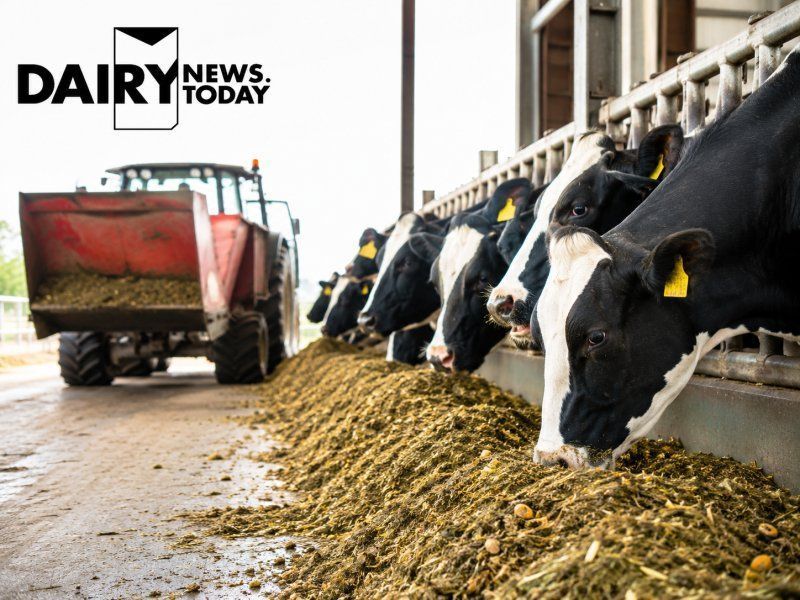
In a significant shift for Punjab's dairy sector, commercial farms are increasingly adopting unripe maize silage to replace traditional green fodder. This change is aimed at stabilizing feed costs and ensuring a steady supply of animal nutrition throughout the year. By using automated silage networks, farms are turning unripe crops into a profitable export product that reaches major Indian states, including Maharashtra and Karnataka.
According to the Progressive Dairy Farmers Association (PDFA), around 60 to 70 percent of Punjab's maize acreage is now dedicated to silage production. This transformation has not only stabilized the regional feed supply but also provided a lucrative income source for rural farmers. The shift to silage has been widely adopted by both large-scale commercial operations and smaller backyard dairy smallholders, driven by the consistent nutritional value silage offers.
The silage production process involves harvesting maize while it is still unripe, optimizing fermentation quality and moisture levels. To ensure effective anaerobic fermentation, storage must be airtight, using pits or plastic wraps to prevent spoilage. When properly managed, silage helps stabilize the rumen in dairy cattle and buffaloes, leading to improved digestive efficiency, better health, and increased milk yields.
Veterinary nutritionists from Guru Angad Dev Veterinary and Animal Sciences University highlight the importance of proper silage preparation and storage to maintain feed quality. Concerns about silage imparting an unpleasant odor to milk are attributed to poor farm hygiene rather than the feed itself. Experts recommend maintaining strict physical separation between silage storage and milking areas to prevent such issues.
To further ensure milk quality, producers are advised to feed silage immediately after the milking cycle. This practice helps eliminate the risk of odors transferring to milk, preserving its flavor profile. As Indian processing unions enhance their quality standards, mastering silage management techniques will be crucial for producers aiming to compete in the global dairy market.