Peruvian Cheese Industry Sees Growth with New Regional Leaders
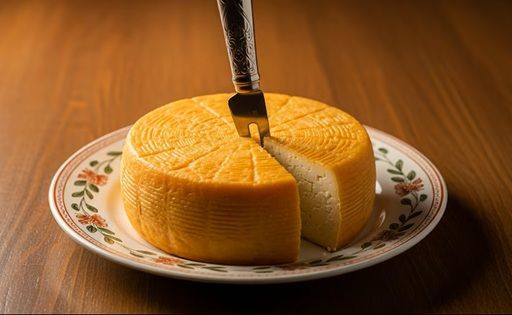
The recent national dairy competition in Peru awarded the 'Perú Swiss' cheese from the Perla del Paraíso plant in La Libertad as the overall winner. This competition saw a 45% increase in the number of entries compared to the previous year, with products evaluated by an international panel of 27 judges from Brazil, Argentina, Uruguay, and Colombia. These judges assessed the cheeses based on appearance, aroma, texture, flavor balance, and overall physicochemical quality.
Geographic Representation and Growth
Producers from 16 different regions participated, underscoring the growth of emerging dairy sectors and the development of family farming across the nation. The representation from diverse regions marks a shift in the traditional dominance of areas like Cajamarca and Arequipa in the cheese industry.
Category Winners
- Paria by Samanlac from Puno won for its popular semi-hard native cheese.
- Andino by Lácteos ALPI from Áncash was recognized for its technical maturity with round, even eyes.
- Peruano Especial by Disana from Cajamarca highlighted traditional flavor profiles with modern standards.
- International Semimadurado by Quesos Chacas from Áncash replicated European cheese-making techniques.
- International Madurado by Perla del Paraíso from La Libertad was noted for its complex organoleptic properties and won overall.
- Regional by Lácteos Huacraruco from Cajamarca preserved the identity of the northern basin's cheese.
- Innovación by Don Lorenzo from Puno developed new agro-industrial combinations.
- Emergente by Lácteos Domenica from Arequipa was recognized for its technical scaling in small enterprises.
Diversification and Strategic Development
The event showcased more than 200 exhibitors, highlighting not just cow milk products but also the increasing presence of goat, sheep, and buffalo cheeses. This trend aligns with a sector-wide strategy driven by the Ministry of Agrarian Development and Irrigation (MIDAGRI) and organizations like CEDEPAS Norte. These initiatives aim to decommoditize primary production through technical assistance in milking practices and controlled maturation systems. As a result, small dairy farmers are transforming surplus milk into high-value products that can penetrate gourmet markets and upscale supermarket chains in the capital.