Parmigiano Reggiano Faces Challenges Amid Global Imitation Threats
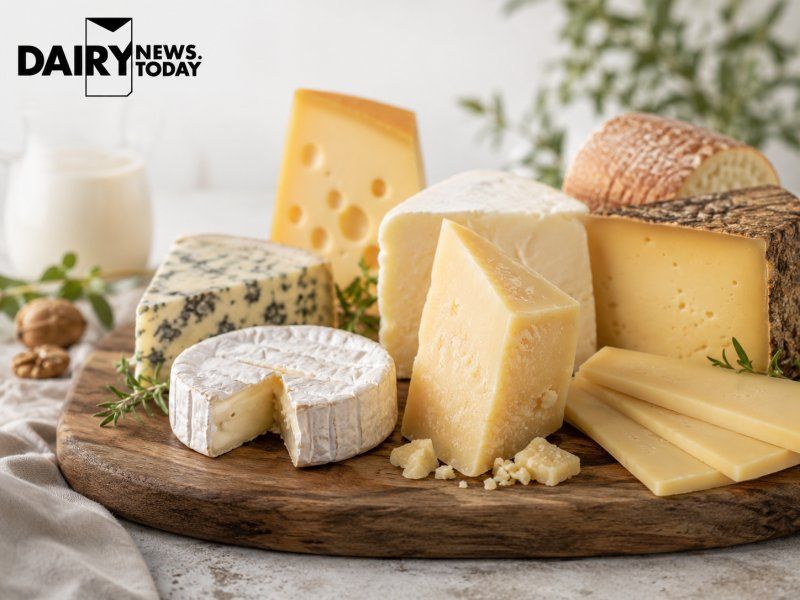
Parmigiano Reggiano is not just a renowned Italian cheese but also a product with a Protected Designation of Origin (PDO), highlighting its deep connection to its place of production. The cheese is exclusively produced in the Italian provinces of Parma, Reggio Emilia, Mantua, Bologna, and Modena, exporting around 84,000 tons annually. This makes it a significant culinary ambassador for Italy.
The economic importance of Parmigiano Reggiano is underscored by its role in financial transactions. The Italian bank Credem accepts wheels of Parmigiano Reggiano as collateral for loans, storing them during maturation and recovering capital through sales if necessary. The bank's warehouses reportedly contain approximately €325 million worth of cheese.
One of the major challenges facing the Parmigiano Reggiano sector is the widespread issue of imitation. The Parmigiano Reggiano Consortium estimates the global market for imitated products exceeds €2 billion. These imitations are particularly prevalent in North America, Latin America, and parts of Asia, where the term 'parmesan' is often generically used for hard grated cheeses.
Within Europe, the PDO certification protects the name, origin, ingredients, and production methods of Parmigiano Reggiano, prohibiting labels such as 'parmesan-like' or 'parmesan-style.' However, outside the European Union, the protection is more limited, allowing imitations to proliferate.
The recipe for Parmigiano Reggiano has remained nearly unchanged for a millennium. Producing a single wheel requires approximately 520 liters of raw milk, calf rennet, salt, and extensive aging periods. Typically, the cheese is sold after 23 to 40 months of aging, though some varieties are matured for up to 100 months.
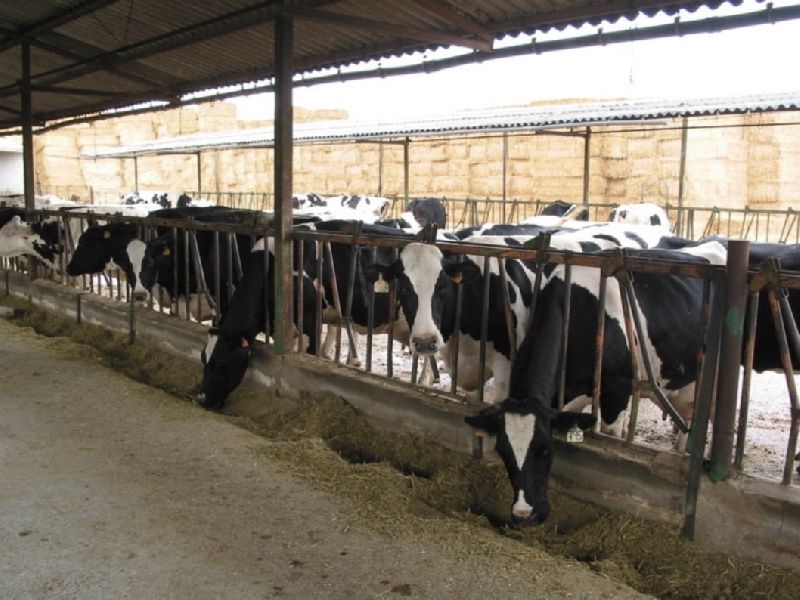
The unique characteristics of Parmigiano Reggiano are attributed to its regional ties, including the specific microflora resulting from local forage and hay that feed the cows. This directly influences the milk's qualities and, consequently, the final product.
Currently, the Consortium aims to strengthen its regional ties by promoting gastronomic tourism in the production area, hoping to increase visits to cheese factories, farms, and related experiences. This initiative underscores the cheese's status as one of the world's most iconic dairy products.