Panama's Milk Production Declines Amidst Industry Concerns

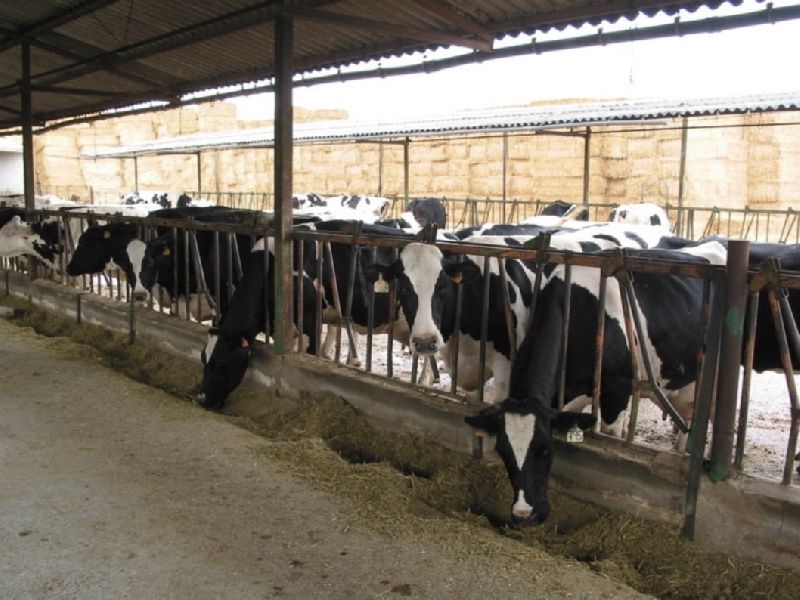
Panama's milk production has experienced a slight decrease, currently standing at 162 million liters, according to data from the country's livestock and dairy sector representatives. This volume includes 87 million liters of grade A milk, 9 million liters of grade B, and 66 million liters of grade C, produced by approximately 2,732 producers.
Factors Affecting Production
Samuel Vernaza, president of the National Association of Ranchers (ANAGAN), stated that the reduction is mainly due to lower rainfall, affecting the availability of fodder, which is essential for dairy cattle. Some producers have shifted to other sectors, although those remaining in dairy continue to operate efficiently despite climatic and commercial challenges.
The president of the Association of Dairy Cattle Producers of Panama (APROGALPA), Ángel René Lezcano, confirmed the downward trend over recent years, noting a decrease from 178.9 million liters in 2023 to 163.5 million liters in 2024. Lezcano highlighted that 70% of the national production is concentrated in the province of Chiriquí, the main dairy region of the country.
Economic and Market Challenges
Venancio González, a representative of COOLECHE R.L., linked the situation to several factors, including rising input and fuel costs, the greater economic attractiveness of beef cattle farming, and the increased presence of imported products in supermarkets. However, Julián González from APROGALPA mentioned that production in 2026 remains similar to the previous year, with a growth of approximately 1% in the early months.
The national demand for fluid milk is reportedly covered, and the market requires about 90 million liters annually for grade A milk, designated for direct consumption.
Cheese Market Stability
While the milk sector faces challenges, the national cheese market shows more stability. Ricardo Adolfo Pérez, vice president of the Association of Cheese and Dairy Processors of Panama (APROQUELPA), reported that the production of fresh cheese, including grated, pressed, and mozzarella varieties, has remained stable due to sustained demand. However, he warned of increasing competition from imported mozzarella, mainly from the United States, which has gained a foothold in the Panamanian market.
For the sector, a combination of climatic factors, higher production costs, and rising imports remains one of the main challenges to the competitiveness of the national dairy industry.