Ofi Trials Almond Hulls to Cut Dairy Emissions in New Zealand
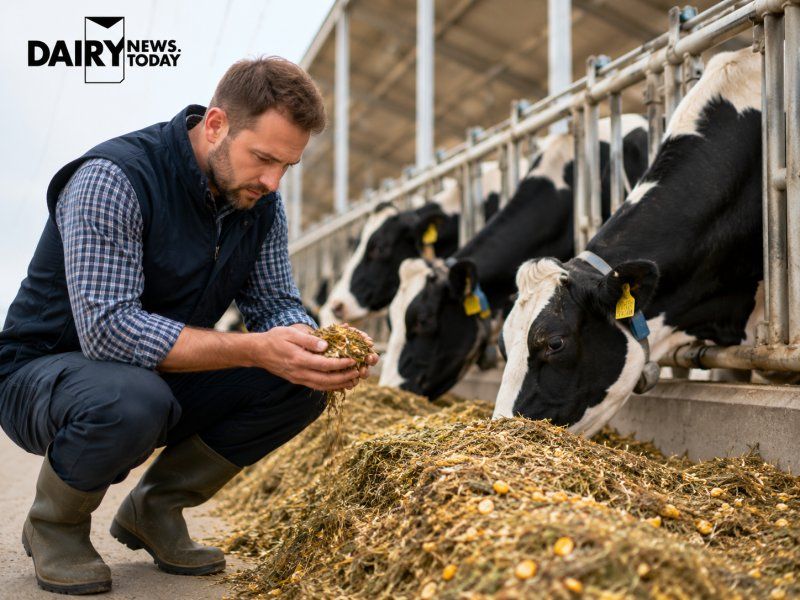
Olam Food Ingredients (ofi) has conducted trials of almond hulls and shells on supplier farms near Tokoroa in South Waikato for two seasons. The material comes from almond orchards and processing plants owned by Olam in Victoria, Australia. Ofi has operated a milk plant in Tokoroa since 2023, and its chief operating officer for dairy, Naval Sabri, said the company was working with agencies to measure methane emissions on the participating farms.
Sabri described the early findings as positive, while noting that the work remains at an initial stage. The trials are examining whether the repurposed feed can reduce methane emissions, support milk yields and lower input costs. They are also assessing packaging and transport methods, including how to move the feed efficiently enough to limit its cost to farmers.
Australian dairy farmers have used almond hulls as a fibre source in pasture-based systems. Ofi plans to supplement the feed with Agolin Ruminant, which the company says has the potential to reduce methane emissions and improve feed-conversion rates. The latter could support milk production. Ofi also says almond hulls can replace some feed supplements with a higher carbon footprint and give farmers another option when pasture growth is under pressure.
Sabri said the project used an existing ofi business and supply chain to provide an alternative feed in New Zealand. The initial findings from agencies indicated a lower carbon footprint, but he said the company was still working to provide customers with supporting evidence. Ofi’s global customers have shown interest because they are also seeking to reduce their emissions. Almond hulls are being considered alongside palm-kernel expeller, a significant component of New Zealand’s dairy-feed system and a focus of criticism from environmental groups including Greenpeace.
Ofi does not expect every New Zealand farmer to adopt almond hulls. Sabri said farms differed in their feed systems, economics and willingness to change, and that the scale of any future use would depend on farmer uptake. He described the material as one tool rather than a complete answer for the country’s dairy system. The company said it would leave decisions about changing feed to individual farmers.
The trials are taking place as ofi expands its processing capacity in Tokoroa. A second dryer has been commissioned at the plant, doubling its capacity and adding 23m kg of milk solids a year. Total annual capacity is now more than 45m kg of milk solids. The new equipment can process skimmed-milk powder, cream and milk-protein concentrate, while retaining the ability to produce whole-milk powder.
Sabri said the investment reflected the board’s confidence in New Zealand’s dairy sector and the company’s farmer suppliers. Ofi intends to develop higher-value ingredients and nutrition products while retaining flexibility to respond to market conditions. The additional capacity has prompted the company to seek more raw milk. Ofi expects to fill it during the next season through existing suppliers and new farmers, but Sabri said the current supplier base alone would not cover the requirement. The company said it had received positive responses from prospective suppliers.