NZX Milk Futures Exceed $10 Across Three Seasons
Contracts linked to New Zealand milk prices have crossed the $10-per-kgMS level for three consecutive dairy seasons. Trading covered the 2026-27, 2027-28 and 2028-29 seasons, with the 2026-27 contract reaching $10.05 per kgMS.
The futures levels are above the current midpoint of cooperative forecasts for the 2026-27 season, which stands at $9.50 per kgMS. Hundreds of lots were traded, representing millions of kilograms of milk solids.
The movement followed gains at the Global Dairy Trade auction. Its overall price index increased by 1.2%, while skimmed milk powder rose by 4.3% to $3,847 a tonne.
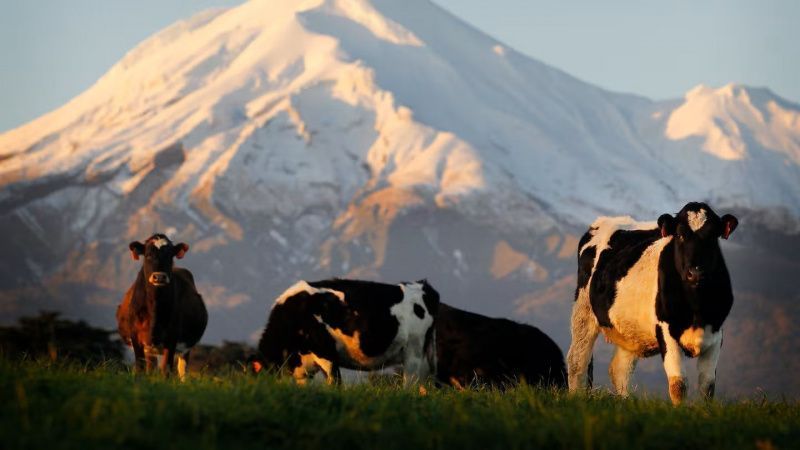
The pricing comes during the spring production peak in New Zealand’s pastoral dairy regions. Farms in Waikato, Canterbury and Southland are operating at high daily output, while processors are running drying towers and milk-fat separation equipment at seasonal capacity. Plants are allocating milk between whole-milk-powder production and skimmed-powder and butter lines.
Whole-milk-powder prices have settled at about $3,605 a tonne. Demand for skimmed milk powder and specialised milk-protein products has produced higher premiums, while the New Zealand dollar has traded near 59 US cents. Dairy exports are settled in US dollars, so currency conversion affects returns measured in New Zealand dollars.
Importers in Southeast Asia, North Africa and the Middle East have continued to enter forward contracts. Futures prices remain market indicators rather than guaranteed farmgate payments: eventual cash distributions can change with seasonal conditions, exchange rates and international trading volumes.
Higher forward prices also affect farm financial planning. Dairy businesses have faced elevated operating expenses, debt-servicing costs and interest charges. Multi-season price coverage can be used to manage price risk and may support debt repayment, liquidity rebuilding and spending on effluent storage, lower-emission pasture systems and automated herd-monitoring equipment.