Northern Victoria Farmers Challenge Water Buybacks in Parliament
A delegation of agricultural stakeholders from northern Victoria and the Riverina region recently presented their case to state parliament in Melbourne, addressing the federal government's Murray-Darling Basin Plan. The plan's water buybacks, they argue, severely impact regional processing security, employment, and food supply.
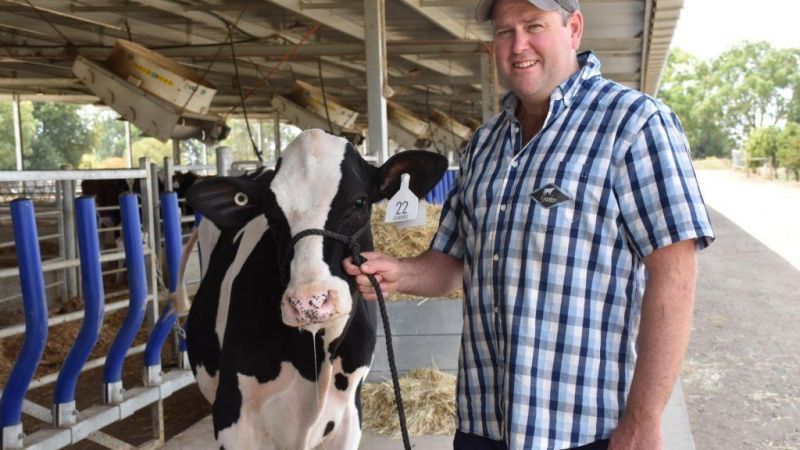
Glen Gordon, a dairy farmer from Cohuna, highlighted the challenges faced by his 850-cow operation due to changes in water access. Historically focused on maximizing dry matter production per hectare, farmers now must prioritize water efficiency, a shift driven by limited irrigation access.
Since the Basin Plan’s implementation, water transfers out of the district have led to a significant decline in milk supply, from a peak of 3.1 billion liters annually to just 1.6–1.8 billion liters. This reduction has forced many small dairies out of business and reduced factory utilization.
To adapt, the Gordon family invested in a sand-bedded freestall barn designed for water-use efficiency, supporting local employment and business. Despite these efforts, Gordon emphasized that infrastructure improvements cannot fully offset policy-induced resource restrictions.
Economic modeling by regional processors warns that further water recovery targets could increase irrigation prices by 40% and reduce milk supply by 270 million liters. This could lead to closures of processing plants, affecting regional economies.
The delegation stressed that maintaining regional food production is crucial to prevent food inflation for urban consumers, urging lawmakers to consider the socio-economic implications of water policy decisions.