New Zealand Climate Law Revisions Impact Dairy and Agriculture Sectors
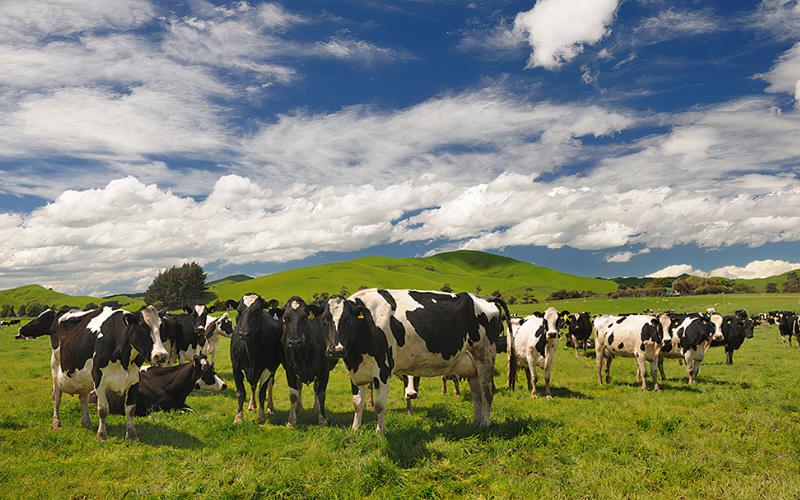
New Zealand's government has announced amendments to its climate laws, focusing on limiting lawsuits related to emissions reduction targets and climate policy decisions. This legislative shift is seen as a significant move affecting the country's agriculture and dairy sectors, which are integral to its greenhouse gas profile.
The reforms have been introduced with the intention of reducing the ability of activist groups to challenge government actions in court, thus aiming to provide greater certainty in policy and avoid delays in economic and infrastructure projects. Justice Minister Paul Goldsmith stated that these changes are crucial for ensuring that climate policies can be implemented without prolonged legal disputes.
Environmental groups and legal experts have voiced strong opposition, arguing that the amendments could weaken accountability for climate commitments and reduce public oversight. Critics are concerned about the potential impact on how future climate-related disputes are addressed, especially in light of New Zealand's efforts to balance emissions targets with the economic significance of its export-driven dairy industry.
The agriculture sector, a major contributor to New Zealand’s emissions, is particularly affected by these changes. The dairy industry, which is investing heavily in sustainability and emissions efficiency, is closely monitoring the government’s regulatory direction. Methane emissions from livestock remain a contentious issue under political and regulatory scrutiny.
Supporters of the legal reforms argue that they will help create a stable investment environment during a period of economic pressure and regulatory transition. However, opponents warn that by restricting legal challenges, these reforms might undermine confidence in the country’s long-term climate accountability framework.