Hungarian Dairy Market: Industry Structure, Workforce, and Herd Health Indicators
At the CID LINES international seminar held on April 20-21, 2026, in Budapest, industry experts presented approaches to mastitis control based on epidemiological models and management of key performance indicators (KPIs).
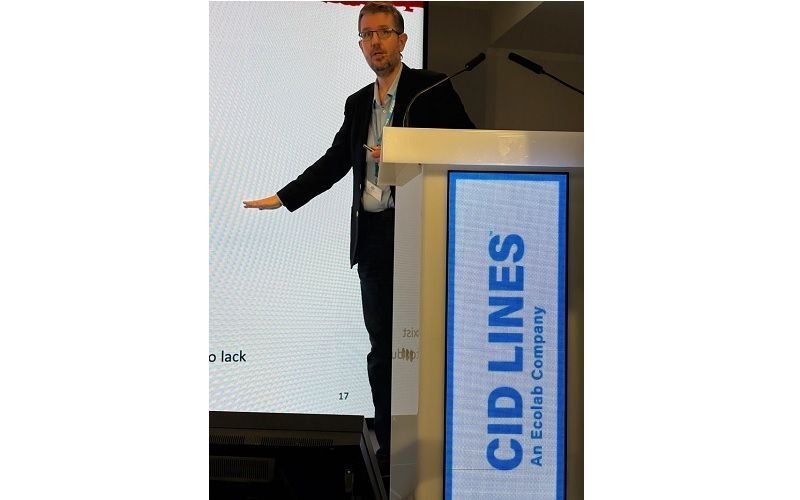
During the business program, an overview of the Hungarian dairy industry was conducted. Dr. Péter Kovács, Master Lecturer at the University of Veterinary Medicine Budapest, presented data on the industry's structure and udder health.
Industry Parameters
According to the Hungarian Central Statistical Office, the cattle population is approximately 873,000 head, of which 406,000 are cows.The number of dairy and mixed-use cattle is estimated at 267,000 head. Milk production in the country reaches 2.1 billion liters (estimated for 2025). The total number of farms is about 13,000.
Production Structure
The industry is characterized by concentration of production on large farms. A significant portion of the farms was formed based on former agricultural cooperatives that have been privatized.The average number of cows on farms participating in the productivity control system is about 421 head.
According to the accounting system, as of March 2026:
- number of tested cows — 150,434,
- number of tested farms — 357.
Breed Composition
In the structure of the specialized dairy herd, Holstein-Friesian dominates with about 170,000 head, or up to 97% of the total. In the mixed-use segment, the main share is occupied by the Hungarian Simmental breed (Magyartarka) with 55-60,000 head.Other breeds present in the country include Jersey, Brown Swiss, Ayrshire, and Swedish Red.
10-Year Dynamics
Over the past 10 years, the following changes have been recorded:* the number of farms decreased by 120 units (-26.5%),
* the number of dairy cattle decreased by 11,726 head (-6.5%).
Labor Organization
Work at large dairy enterprises is primarily carried out by hired employees. The personnel, as a rule, are not family farmers and do not necessarily have their own farms. The production process is organized on an industrial principle, including work in milking parlors.Employment characteristics include:
* physical nature of the work,
* long working shifts,
* relatively low pay.
There is a noted decline in interest in working in the industry and an increase in staff turnover.
Workforce Recruitment
In some farms, foreign workers, predominantly from India and the Philippines, are employed. There are some challenges such as language barriers, cultural differences, and the need for staff adaptation.