Milk Gains Popularity as a Natural Protein Source for Athletes

In a market saturated with supplements and formulated sports products, milk is re-emerging as a natural alternative for athletes seeking quality protein and efficient recovery. Experts highlight milk's provision of high-value proteins that include all essential amino acids, which the human body cannot synthesize on its own. Additionally, milk naturally contains vitamins and minerals integral to its original composition.
A key aspect of milk's appeal is its role in muscle recovery. Exercise induces minor muscle damage that requires repair, a process aided by the proteins in milk. These proteins are composed of two fractions with varying absorption rates. Whey protein, or the serum fraction, is absorbed quickly, supplying essential amino acids shortly after consumption. Conversely, casein releases nutrients more slowly, sustaining amino acid supply for several hours. This dual action is why many specialists consider milk a viable option for post-training recovery.
Beyond proteins, milk provides electrolytes such as sodium and potassium, crucial for fluid replenishment and restoring hydration balance post-exercise. The presence of these minerals supports prolonged hydration and offsets losses due to sweating, especially during intense or long-duration exercise.
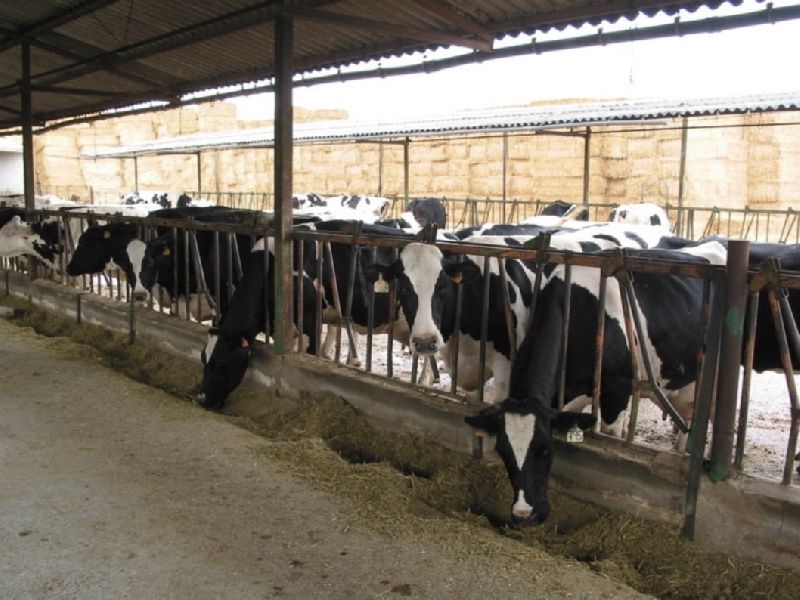
The article also emphasizes the importance of raw material quality. Milk from systems prioritizing animal welfare and proper cattle nutrition contributes to consistent, high-quality nutritional profiles. Additionally, local production reduces transport distances, supports local producers, and strengthens rural economies.
As consumers increasingly seek natural and functional foods, milk is once again presented as a simple, accessible option with nutritional backing for athletes aiming for efficient recovery after physical exertion.