Mexico’s Dairy Farmers Demand Payment of 500m Pesos
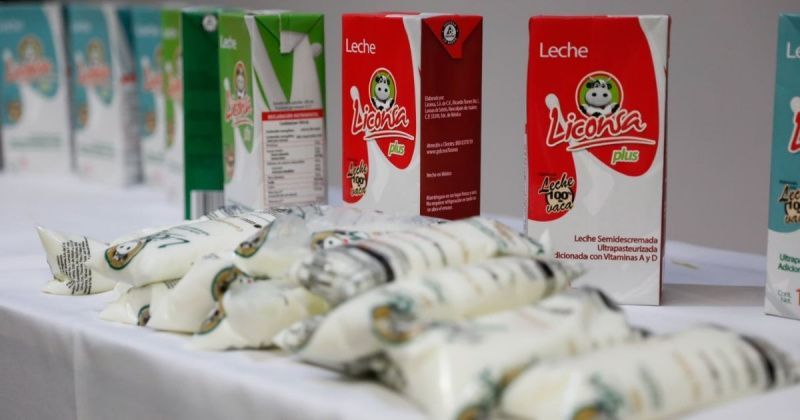
Dairy producers from several parts of Mexico have called for the federal government to settle a debt of more than 500m pesos for milk delivered during the previous fiscal year. The payments concern supplies to the state-owned Leche para el Bienestar programme, which operates under a guaranteed price of 11.50 pesos per litre.
Producers said the authorities had not provided a transparent timetable for electronic transfers. In San Juan Guichicovi, in the state of Oaxaca, dissatisfied farmers blocked Federal Highway 185. Producer organisations said that, if the delays continued, they could extend peaceful demonstrations to other collection centres across the country.
The disruption has been particularly significant in Jalisco and Chihuahua, which together account for more than half of the volume purchased by the social programmes, according to the report. Leche para el Bienestar takes roughly 30% of the milk produced by farms in the Jalisco dairy basin and about 25% of production delivered by Chihuahua herds.
Collective collection centres have reportedly restricted daily intake by as much as 50% of the capacity contracted for individual farms. Family-run dairies generally have refrigerated tanks that can preserve raw milk for up to 72 hours at temperatures below 4°C. Producers said the limits on intake increased the risk that milk would spoil when it could not be transferred to institutional receiving tanks.
Farmers unable to deliver their full morning output to official weighing points have been selling surplus milk to small cheese producers and intermediaries at reduced prices, the report said. It also cited imports of powdered milk and the sale of products made with vegetable fats as additional competition for fresh cow’s milk in urban markets. In some areas, open-market prices have fallen below the cost of production.
Feed accounts for as much as 70% of the total cost of producing a litre of milk in intensive and mixed-production farms. The expenses include maize silage, hay, protein concentrates and mineral supplements. Producers also face fixed costs for electricity used in cooling, fuel for water pumping and veterinary medicines, while the lack of accessible rural development-bank credit has limited their financing options.
According to the report, some farmers have sold high-value breeding animals in advance to meet current obligations after exhausting working capital and losing commercial credit with feed suppliers. Leaders of livestock associations have called for permanent technical discussions to examine purchasing capacity and prevent further disruptions at collection centres. The report said the producers are seeking the release of the committed budget allocations and a return to weekly settlements.