Mexican Researchers Aim to Preserve Artisan Cheese Tradition
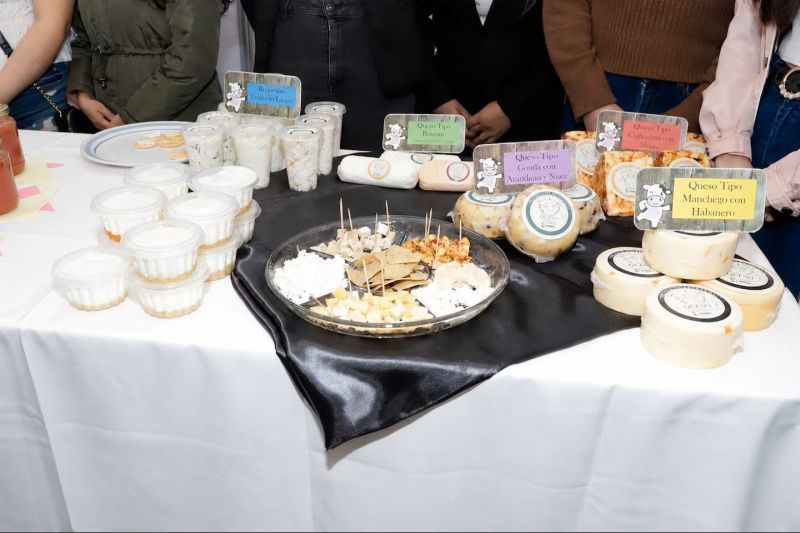
In Mexico, the artisanal cheese sector is confronting a significant challenge that could determine its future: the need to balance traditional cheese-making practices with modern health standards. A group of researchers from the Center for Research and Advanced Studies (Cinvestav) at the Querétaro Unit has initiated a comprehensive scientific project to address this issue. Their goal is to identify and catalog the native microbiota in authentic matured cheese varieties, a critical step in standardizing safety without altering the distinct taste and texture of these cheeses.
The economic and cultural significance of these agricultural products lies in the use of locally sourced raw milk. Unlike industrial cheeses and commercial imitations, genuine Mexican cheese does not contain vegetable fats or artificial preservatives. This purity offers a competitive advantage in premium markets but also necessitates strict microbiological control to ensure beneficial bacteria outnumber pathogens.
For dairy farmers and livestock producers, the success of these research projects presents an opportunity to add value to their raw materials. By selling raw milk directly to traditional cheese dairies or becoming part of the artisanal processing chain, they can achieve better profit margins compared to selling to the pasteurization industry. The financial stability of each farm is enhanced when the biological value of milk components is recognized and fairly compensated.
Veterinarians, animal scientists, and technical advisors play a crucial role in this traditional production ecosystem. The viability of processing raw milk depends entirely on good milking practices and strict health control of the cows at the production facility. Implementing preventive medicine programs and ensuring proper hygiene in feeding areas and barns guarantees that milk arrives with a low residual bacterial load, facilitating cheese maturation.
Sector analysts point out that developing native starter cultures will allow certification of the origin and typicity of iconic Mexican varieties. This scientific protection not only safeguards culinary heritage against ultra-processed product competition but also opens opportunities for export under origin denomination labels. The collaboration between academia and rural communities thus emerges as the most effective strategy for making the agricultural sector profitable and ensuring the survival of the artisanal dairy industry.