Methane Reduction Targets Lag in Dairy and Coffee Sectors
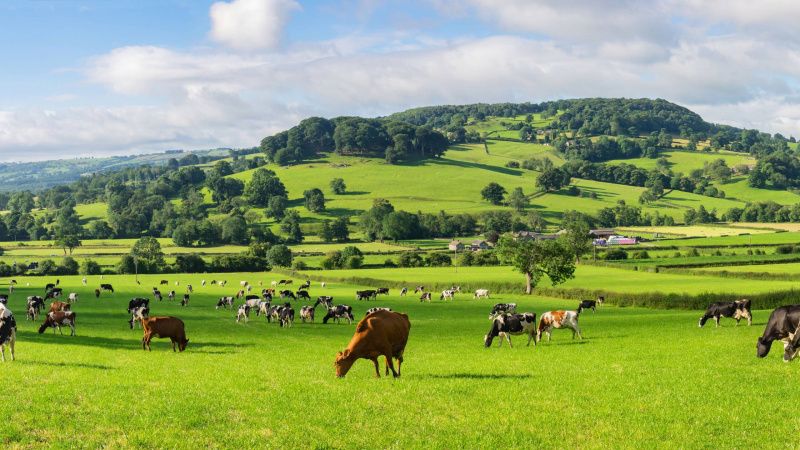
Changing Markets Foundation has conducted an assessment of 23 dairy and coffee companies across Europe and North America regarding their methane emission performance. The study found that while 91% of these companies have acknowledged the connection between livestock production and climate change in their official reports, only three have established targets to reduce methane emissions by 2030.
Danone stands out as the only company that has aligned its methane reduction goals with the Global Methane Pledge, which aims for a 30% reduction in emissions compared to 2020 levels by 2030. General Mills and FrieslandCampina have also set targets for 2030, although these are not aligned with the Pledge.
Among the companies assessed, Danone, Le Groupe Bel, and Nestlé reported reductions in methane emissions for the years 2024 or 2025. Danone is recognized as the best performer in terms of overall methane reduction strategies, followed by General Mills and Starbucks.
According to Nusa Urbancic, Chief Executive of Changing Markets Foundation, setting science-based targets is crucial for driving down emissions. She emphasized the role of regular reporting and accountability in achieving these goals, highlighting the importance of methane as a significant climate change factor.
The study indicates that 15 out of the 23 companies failed to disclose their methane emissions for 2024 or 2025. Despite this, dairy and coffee companies are ahead of supermarkets, none of which have publicly disclosed methane emissions or set reduction targets for 2026, according to Changing Markets Foundation.
The Global Methane Pledge's goal of a 30% reduction is projected to yield $330 billion in annual benefits, prevent 180,000 premature deaths, and reduce global warming by 0.2°C. However, current commitments fall short, covering less than one-third of the target.
Research by Planet Tracker in April revealed that financial institutions continue to overlook the methane emissions from major agri-food companies. These banks have provided $159 billion in financing to the top methane emitters in the sector, with JBS identified as the largest agricultural methane polluter worldwide.