Massachusetts Dairy Farms Adapt to Survive Market Challenges
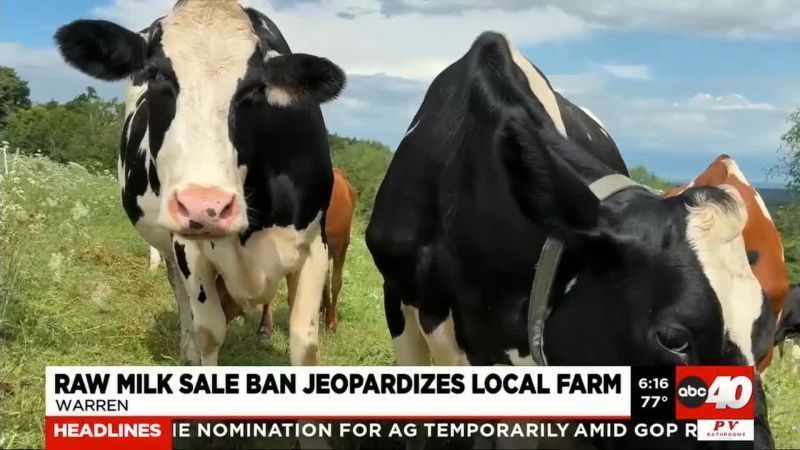
Small and mid-sized dairy operations in Western Massachusetts are encountering severe structural challenges, including a long-term decline in fluid milk consumption, persistent inflation on feed and equipment, and unpredictable wholesale payout prices. These factors have led to the closure of numerous traditional dairy farms across New England in recent years, forcing the remaining producers to fight to preserve their livelihoods.
To offset the thin margins in bulk wholesale milk distribution, local producers are increasingly pivoting towards direct-to-consumer sales and value-added processing. By introducing on-farm bottling, retail farm stands, ice cream manufacturing, or specialty cheese production, farms aim to capture a larger share of the retail food dollar while building direct relationships with their surrounding communities.
State-level support programs, such as the Massachusetts Dairy Farmer Tax Credit and land preservation initiatives, provide vital financial safety nets when wholesale milk prices drop below production costs. However, agricultural advocates emphasize that state support mechanisms must be complemented by consistent local consumer demand to protect regional food security and prevent active farmland from being sold for commercial development.
These adaptations are seen as crucial for the survival of the farming sector, as they allow farmers to maintain financial viability and continue operations despite the challenges posed by the current market conditions.