Low-Input Dairy Farming in Northland Faces Production Challenges
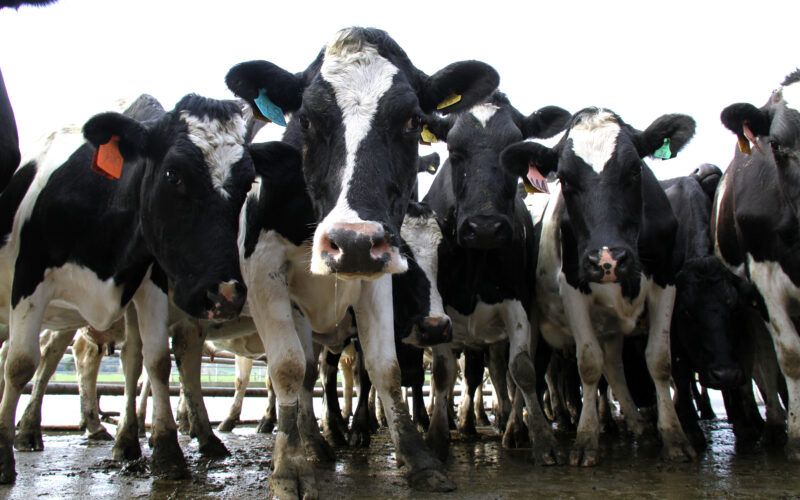
The conclusion of a comprehensive five-year dairy farmlet trial in Northland, New Zealand, has highlighted the complex challenges associated with reducing agricultural greenhouse gas (GHG) emissions. Conducted by Northland researchers, the study compared a conventional 'Baseline' dairy farming system with a 'Low Emissions' model designed to minimize its carbon footprint. The trial's findings indicate that while low-input systems can effectively cut GHG intensity, they face considerable hurdles in matching the milk production and profitability of traditional systems.
Milk Production and Economic Impact
One of the most significant findings was the substantial decrease in milk production on the Low Emissions farm. This environmentally optimized setup, which eliminated synthetic nitrogen fertilizer, saw milk output drop by 20% to 39% compared to the conventional Baseline farm. Despite an increase in clover levels in the pastures from 9% to an average of 24%, the biological nitrogen fixation was insufficient to replace the need for strategic fertilizer inputs, affecting overall milk yield.
The economic ramifications of this production decline were evident in the trial's financial analysis. Over the five-year period, the average payout was $9.04 per kilogram of milk solids. While the Baseline and an 'Alternative Pastures' treatment farm achieved similar operating profits of approximately $3,300 per hectare, the Low Emissions farm struggled. For this low-yielding system to match conventional profitability, milk prices would need to fall below $7 per kg of milk solids under current cost structures.
Environmental Achievements
Despite the production challenges, the Low Emissions farm succeeded in reducing its net GHG footprint per unit of product. This was primarily achieved by eliminating high-embedded upstream inputs like synthetic nitrogen and imported palm kernel extract (PKE) supplementary feed. The study emphasizes that low-input farming can effectively reduce a property’s climate impact, provided that individual cow performance and per-animal milk production are maintained.
Implications for the Dairy Industry
The mixed results from the Northland trial underscore a dilemma for New Zealand's dairy industry as it seeks to meet evolving climate targets. While reducing inputs can lead to immediate reductions in on-farm emissions, the consequent drop in milk volume poses a significant challenge to financial viability, especially during high-payout periods. As regulatory frameworks evolve, the trial demonstrates the need for careful management to balance environmental compliance with economic sustainability.