Irish Milk Production Declines Amid Price Pressures
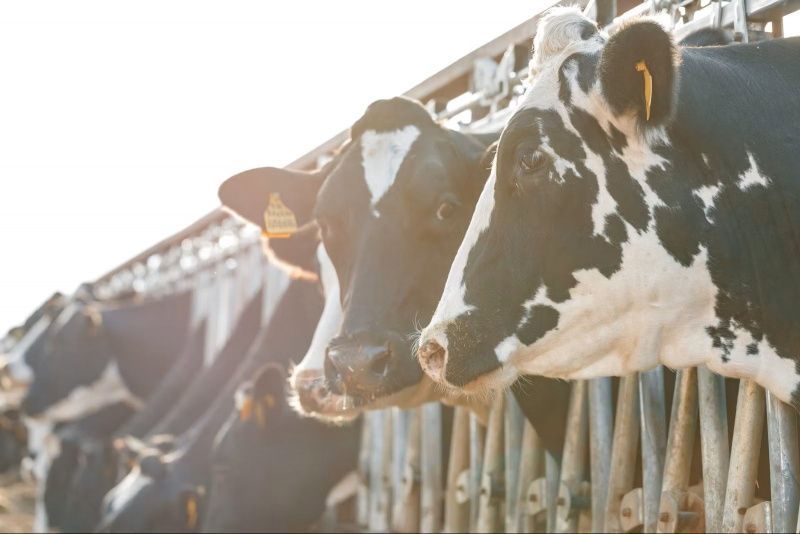
In the second quarter of 2026, Ireland's milk production experienced a year-on-year decline, reflecting similar trends observed in Great Britain. According to the Agriculture and Horticulture Development Board (AHDB), milk deliveries in Ireland decreased by 3.4% in April 2026 compared to the same month in 2025, followed by a 1.5% drop in May. Despite these reductions, cumulative milk collections from January to May 2026 were only 0.6% below the previous year's record levels, but still 6.9% higher than those of 2024.
The primary factor contributing to this contraction is the significant decrease in farmgate milk prices, which has compressed producer margins throughout the Irish dairy sector. Teagasc, the agriculture and food development authority in Ireland, projects that average milk prices for 2026 will be approximately 20% lower than those of 2025, posing a substantial challenge to farm incomes.
On the trade front, Ireland's dairy export volumes grew by 36% year-on-year in the first quarter of 2026. This growth was driven by strong international demand for dairy products, particularly powders and butter, in markets such as Vietnam, the United States, and Egypt. Additionally, Irish dairy producers were granted a three-year extension of the EU nitrates derogation, providing regulatory stability and easing stocking density constraints.
The overall slowdown in milk production across the British Isles occurs amidst a backdrop of global and European overproduction. The European Commission's short-term market outlook anticipates a 1.6% increase in EU milk production for 2026. However, analysts suggest that a significant reduction in output will be necessary to achieve balance in international commodity markets.
As Ireland navigates these challenges, the sensitivity of its pasture-based systems to price fluctuations and input costs becomes evident. Although there are tentative signs of milk price stabilization as summer progresses, Teagasc expects 2026's total milk production to remain similar to that of 2025. The main challenge for the Irish dairy sector remains managing squeezed margins while maintaining a strong presence in export markets.