Innovative Strategies in Dairy Farming to Reduce Methane Emissions
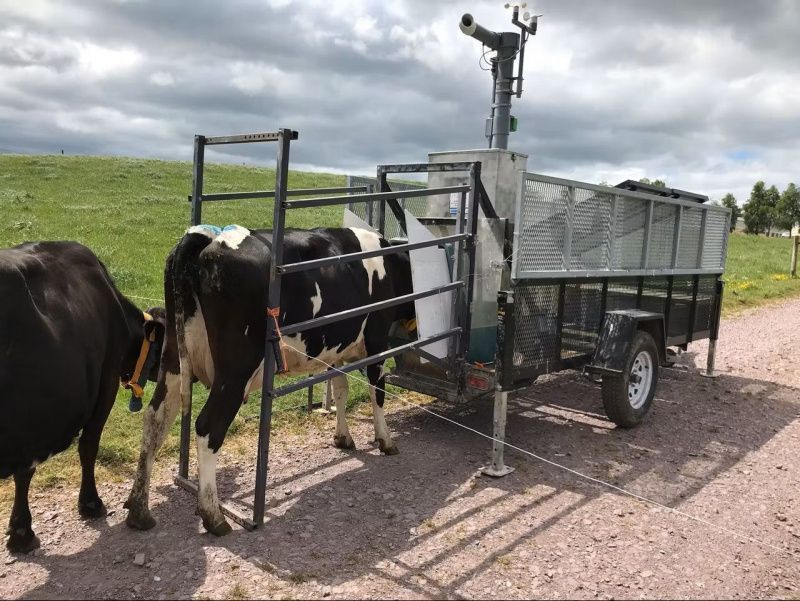
The global dairy sector is increasingly focusing on technological innovations to address enteric methane emissions, which constitute a significant portion of agriculture's greenhouse gas emissions. Research is concentrating on methodologies that reduce methane production directly within the digestive systems of livestock, allowing dairy producers to meet stringent climate targets while maintaining production levels.
One of the most promising advancements is the use of feed additives, such as 3-NOP (3-nitrooxypropanol), which have demonstrated the ability to inhibit methane-generating enzymes in the rumen. Field trials have shown that these additives can reduce emissions by up to 30%. This solution is particularly effective for intensive dairy operations where feed additives can be seamlessly integrated into existing systems.
However, challenges arise in pasture-based systems prevalent in regions like Ireland, New Zealand, and parts of Latin America, where centralized feeding opportunities are limited. In response, research is underway to develop long-acting delivery mechanisms, such as slow-release rumen boluses, that provide a more viable solution for these environments.
In addition to feed additives, significant resources are being allocated to livestock genetics and selective breeding programs focused on identifying low-emission traits. Such programs aim to achieve permanent reductions in greenhouse gas emissions across livestock populations over multiple generations.
Another area of active research is the development of an anti-methanogenic vaccine. While still under development, such a vaccine could potentially trigger the animal's immune system to produce antibodies that suppress methane-producing microbes, offering a low-maintenance solution with substantial environmental benefits.
The successful integration of these technologies into commercial operations depends on the creation of financial incentives for farmers. Efforts are being made by dairy cooperatives and governmental bodies to ensure that the financial burden of adopting these technologies does not fall solely on producers. Initiatives include exploring premium pricing for climate-friendly milk products, which would help sustain farm profitability and environmental compliance in the coming years.