Iranian Families Are Buying Less Dairy and Meat
Annual dairy consumption in Iran has declined by nearly 70% since 2010, according to Ali Ehsan Zafari, head of the country’s Dairy Cooperatives Union. The latest estimate puts consumption at about 40kg per person, compared with roughly 117–119kg globally, according to the UN Food and Agriculture Organization (FAO). Neighbouring Turkey consumes more than 250kg per person each year.
Iranian dairy products were about 147% more expensive in July than a year earlier, data from the Statistical Center of Iran showed. At its current level, Iran’s per-person dairy consumption is approximately one-third of the global average. The figures cover products including a basic source of protein and calcium in household diets.
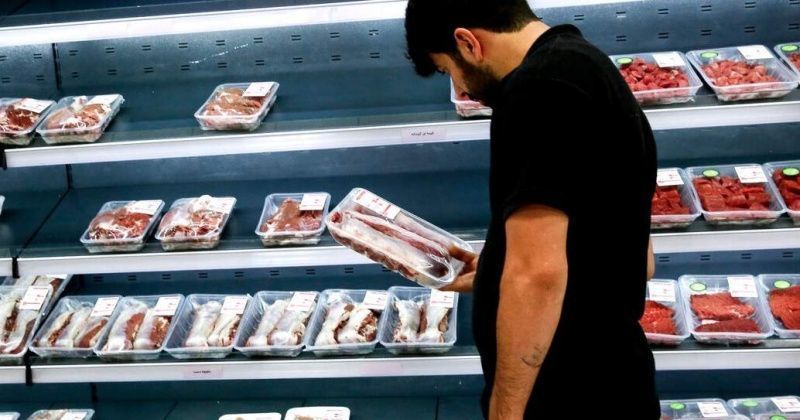
The reduction in dairy consumption follows a longer decline in red meat. FAO data show that Iran’s red-meat supply fell to around 623,000 metric tonnes last year. That was about 20% below the 2024 figure and nearly 39% below the 2010 level.
Chicken had provided a lower-cost alternative to beef and lamb for much of that period. Per-person poultry consumption in Iran has risen by about 40% since 2010, indicating a shift towards cheaper animal protein. In Turkey, poultry consumption also increased by roughly 40%, but red-meat consumption rose by 146%. FAO estimates that Turkey’s per-person red-meat consumption is about 3.9 times Iran’s level.
Prices have now risen across the main substitutes. Beef, lamb and chicken all cost about 149% more in July than a year earlier, according to the Statistical Center. Dairy prices increased by a similar amount. The latest rises followed a recent war that added to existing inflationary pressure and accelerated increases in the prices of basic goods.
For households that had moved away from beef and lamb, the rise in poultry prices has reduced the availability of that alternative. The fall in dairy consumption has also coincided with higher prices for other animal-protein sources. The data describe a change in household purchasing patterns as families buy less of foods that had previously been ordinary parts of their diets.