Impact of Summer Heat Stress on Autumn-Calving Dairy Cows
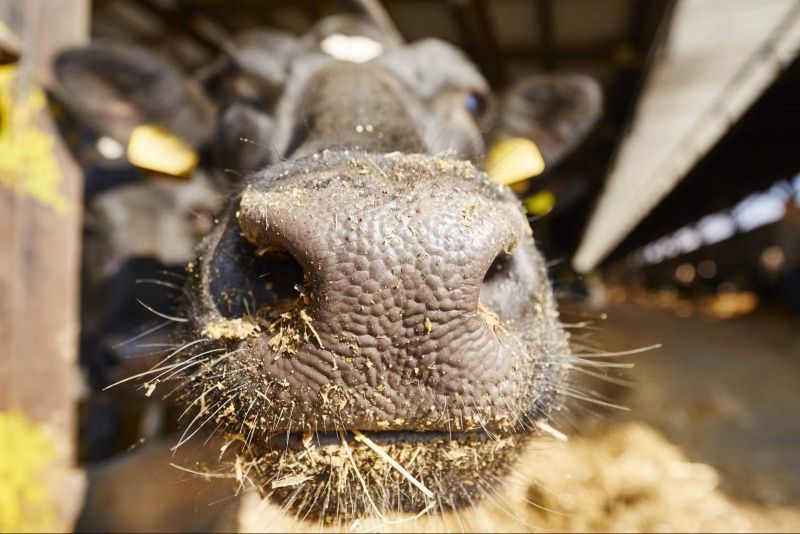
Recent heatwaves in Ireland have posed significant challenges for autumn-calving dairy operations. Experts have highlighted that the summer heat stress has compromised the quality of colostrum, increased the risk of milk fever, and affected the growth rates of newborn calves. Nia Williams, a technical livestock manager at Nettex, pointed out that cows experiencing heat-induced stress, ranging from mild dehydration to severe heat stroke, suffer from systemic damages that endanger their offspring.
Heat-stressed cows face disrupted feed intakes, increased vulnerability to infections such as pneumonia, and issues with mammary gland development. These conditions lead to a reduced capacity to produce high-quality colostrum, which is crucial for the immunity of newborn calves. Calves born to these cows are often lighter at birth and show stunted growth both before and after weaning. They are also more susceptible to early-stage scours, poor suckling reflexes, low vitality, and open-mouth breathing.
Teagasc, an agricultural authority, recommends administering 3 liters of colostrum within the first two hours after birth, sourced from the cow’s first milking, to maximize the absorption of immunoglobulins. Managing colostrum quality involves using precise on-farm measurement tools, as the dam’s condition before calving can affect the antibody density. Animal Health Ireland requires colostrum to register at a minimum threshold of 22% on a Brix refractometer. If the colostrum scores below this, it can still be used as nutritional feed for subsequent feedings.
Additionally, blood diagnostic tests on calves aged one to seven days can monitor the successful acquisition of passive antibody immunity. During the calving process, cows can lose significant amounts of essential fluids, leading to severe dehydration and increased risks of metabolic diseases such as milk fever, alongside deficiencies in zinc, selenium, and copper.
To address these challenges, herd managers are employing post-calving nutritional support, including oral boluses, mineral injections, and electrolyte formulations. Monitoring the herd’s Body Condition Score (BCS) is also crucial as it serves as an insurance policy against negative energy balances. Cows should not have a BCS below 2.75 entering their dry period, as a drop in BCS during lactation can lead to prolonged mineral deficiencies and affect the dairy system's economic output.