
Impact of Screwworm Outbreak on Dairy Production in Oaxaca
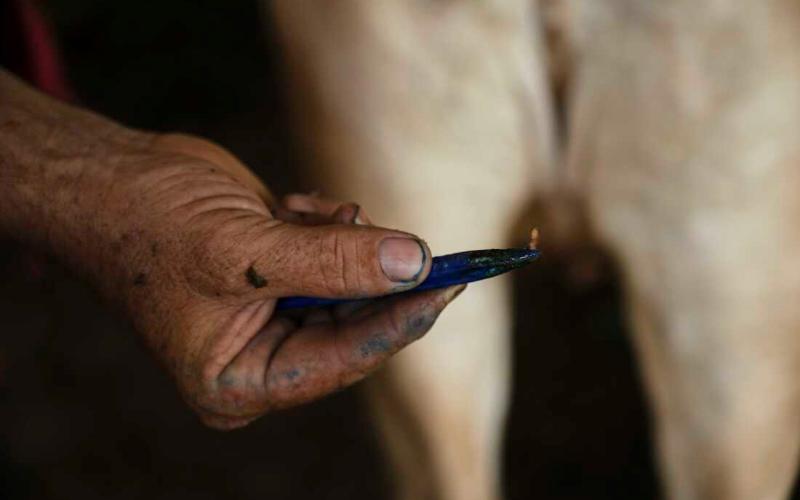
The dairy sector in Oaxaca, Mexico, is grappling with a severe outbreak of the screwworm, which has resulted in 1,495 reported cases in cattle. This outbreak has primarily impacted regions such as the Istmo de Tehuantepec, Cuenca del Papaloapan, and the Costa area, known for their significant dairy production.
Affected dairy farmers are experiencing considerable economic strain, as the infestation requires rigorous daily inspections of livestock to prevent the rapid spread of the parasite. The screwworm transforms minor wounds into sites of severe infection, necessitating costly treatments and increasing the workload for farmers.
Farmers like Alex Betanzos from La Ventosa, Juchitán, report that the infestation forces them to segregate infected cows and administer medications, leading to a drop in milk production. The need for larvicides and antibiotics adds to the financial burden, exacerbated by historically low milk prices in the region.
Institutional support has been deemed insufficient, with a shortage of certified veterinarians to issue necessary treatment certifications. This lack of official documentation restricts livestock movement and sales, further impacting farmers' financial stability.
Efforts to control the spread from neighboring Chiapas involve border inspections, but the persistent new cases suggest the screwworm has become endemic. Strategies like the sterile fly release program, previously effective in the U.S., have been limited in Mexico due to budget constraints.