Global Dairy Industry Faces Urgent Call for Structural Reform
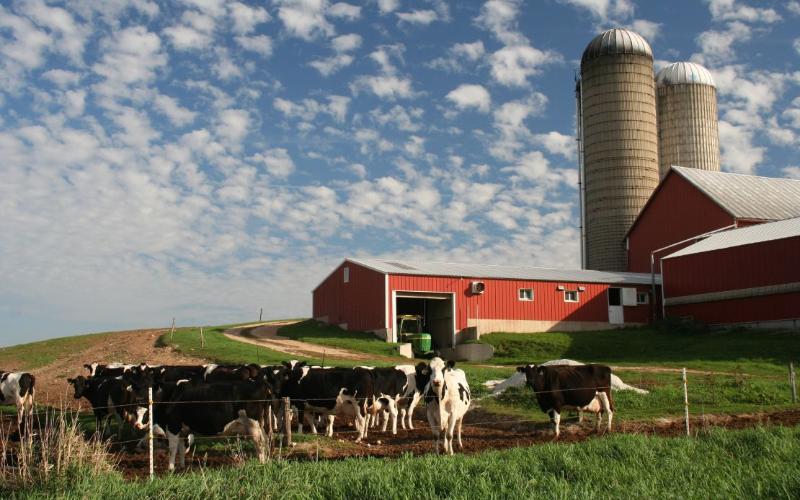
The global dairy industry is under increasing pressure to undergo a substantial structural transformation. The existing business model, which prioritizes high-volume, low-margin commodity production, is proving both economically unstable for farmers and environmentally unsustainable. This demands a shift towards value creation, product differentiation, and a significant reduction in carbon emissions per unit of production.
Experts are advocating for a pivot in the industry to focus on producing high-value dairy products and adopting sustainable practices. This includes embracing advanced technologies such as precision feeding, advanced genetics, and on-farm renewable energy to optimize resource use and enhance profitability.
A significant reform must involve policy changes and market incentives. Analysts suggest that governments and large dairy processors cease subsidizing environmentally detrimental practices and instead, support those who prioritize environmental performance and transparency. This restructuring of the value chain is crucial to ensure sustainability costs are fairly distributed across the industry.
Additionally, evolving consumer preferences are driving this change, as modern consumers increasingly consider ethical sourcing and environmental impact in their purchasing decisions. This trend pushes the dairy sector towards producing premium and differentiated products, such as ultra-filtered or A2 milk, which offer better margins compared to traditional commodity products.
The necessity for change extends beyond economic factors, with environmental concerns and consumer demands making it imperative for the dairy industry to adapt. This shift is seen as essential to ensure long-term resilience and success for all stakeholders in the agribusiness supply chain.