First Milk Advocates for Evidence-Based Regenerative Dairy Practices
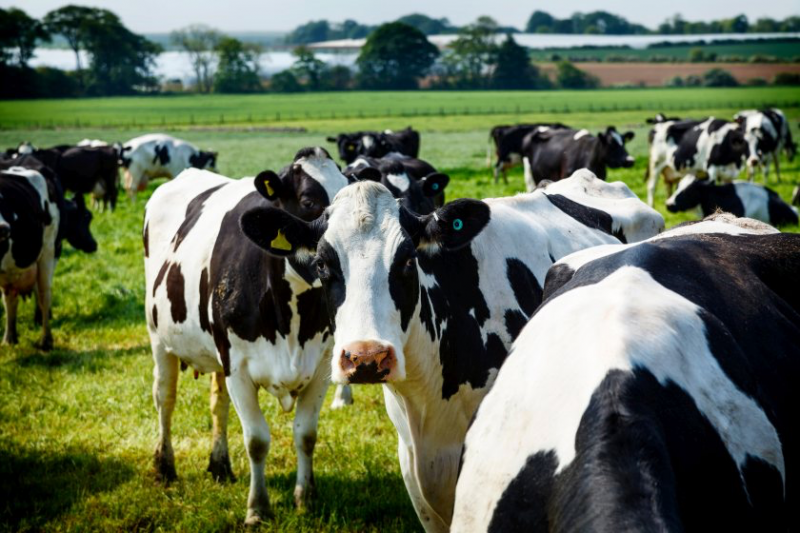
First Milk, a farmer-owned cooperative, has highlighted the necessity for credible evidence in the field of regenerative dairy farming. In a newly published white paper titled From principles to proof: why measurable outcomes matter in regenerative dairy, the cooperative argues that regenerative farming must move beyond broad claims and practice adoption to be assessed by measurable outcomes.
Launched in 2021, First Milk's regenerative farming programme has become one of the UK's largest farmer-led initiatives, incorporating approximately 700 dairy farmer members across Great Britain. Five years into the programme, it now includes farm-level regenerative scoring, digital field mapping, intervention recording, and a member payment structure linked to regenerative performance.
The cooperative collaborates with several independent specialists, including Agricarbon, Farm Carbon Toolkit, Kingshay, Senus, and the UK Centre for Ecology & Hydrology, to evaluate progress in areas such as soil carbon, farm emissions, nutrient use, water risk, biodiversity, and animal welfare.
Shelagh Hancock, chief executive of First Milk, stated that regenerative farming holds significant potential to enhance resilience, strengthen trust, and create value throughout the food chain. She emphasized the importance of credible evidence, saying, "At First Milk, we are already working with our members and independent specialists to measure and evidence what is changing on farm, from soil carbon and water risk to biodiversity and animal welfare."
The white paper advocates for long-term partnerships between farmers and supply chain partners, using outcome data to guide investment and reward progress. First Milk asserts that such an approach is essential to transition regenerative farming from ambition to proof, while also boosting supply chain resilience and aiding customers and consumers in making informed decisions.
The cooperative concludes that measurable outcomes are crucial for demonstrating changes on farms and identifying areas where further support is necessary.