Fiji's Dairy Sector Struggles with Imports and Rising Costs
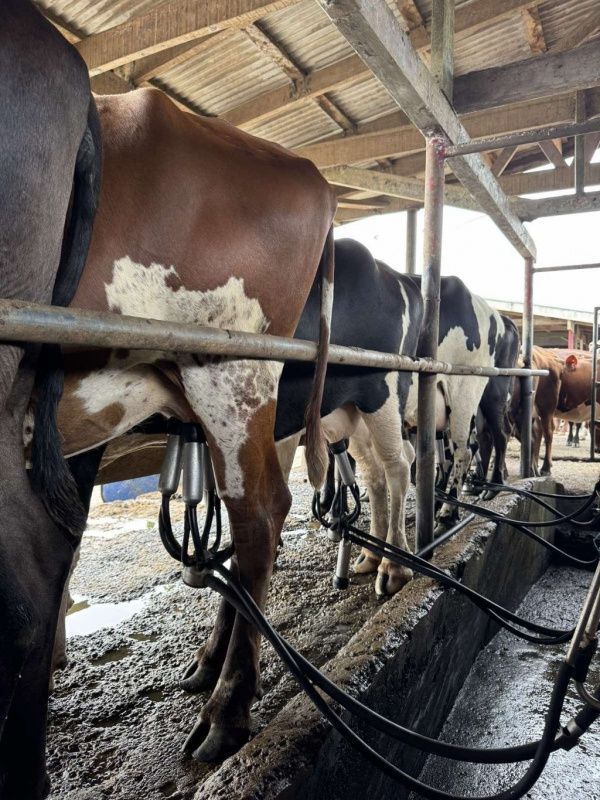
The Fijian dairy industry has been grappling with significant challenges for over a decade, leading to a high dependence on imported dairy products. Key issues include the expiry of land leases, climate change impacts, cattle diseases, and rising operational costs. The Fiji Cooperative Dairy Company Limited (FCDCL), primarily operating in the Tailevu and Naitasiri regions, highlights a severe outbreak of brucellosis and bovine tuberculosis in 2009, which necessitated the culling of large numbers of cattle, drastically reducing herd sizes and milk output.
According to FCDCL's CEO Vimal Chand, milk production plummeted from ten million liters to three million liters annually following the bovine TB outbreak. Although production has since increased to six million liters, the industry still struggles with expanding herd sizes. Factors such as higher temperatures, reduced rainfall, pasture loss, water scarcity, and increased parasite activity continue to hinder milk yield improvements.
Economic pressures are also mounting. Rising costs of feeds, fuel, and transportation are significantly eroding profit margins for smallholders, who often lack resources and education to adopt modern practices. Feed expenses alone can account for up to 50% of farm costs, and surging fuel and freight charges further tighten cash flows. These economic difficulties have resulted in Fiji relying on imports for 75% of its dairy needs, creating a trade burden as the local output covers only a quarter of domestic demand.
To address these issues, Chand suggests that increasing herd sizes through cattle imports and breeding programs could help. Improving feed systems and maintaining resilient pastures could counter climate stress. Additionally, restocking efforts, veterinary support, and enhanced farmer training and extension services are necessary, alongside making more land available for dairy farming.
Local farmers like Ravindra Prasad and Harvindar Singh report a decline in milk production due to adverse weather, increased feed, labor, and fuel costs. Prasad's farm now produces 150-160 liters daily, down from 200 liters, with weekly feed and fuel expenses doubling. Singh's farm output dropped from 1600 to 1300 liters daily, with costs of farm supplies significantly increasing.
These farmers argue that the current farm gate prices of $1.07 to $1.12 per liter are insufficient given the operating costs. They advocate for an increase in prices to around $1.50 to $1.80 per liter. The Fijian Competition & Consumer Commission (FCCC) is tasked with determining these prices independently.
While the government has supported the dairy sector through grants, feed subsidies, and disease management programs, stronger engagement with farmers is deemed necessary to ensure a sustainable milk supply and improve farm economics.