Fermentation Enhances Bioactivity in Oat and Soy Dairy Alternatives
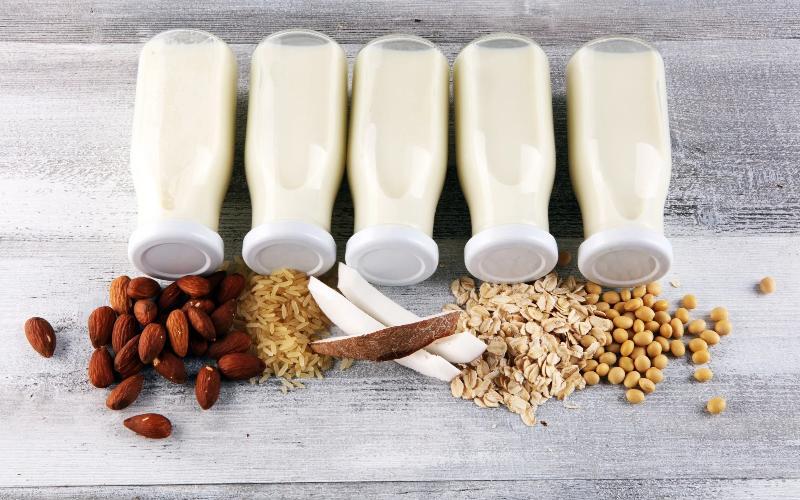
Fermentation of plant-based dairy alternatives, specifically those derived from oats and soy, has been shown to enhance their health-promoting properties. According to a study published in the journal Nutrients, fermentation can increase the bioavailability of bioactive compounds such as lipids, which are crucial in reducing inflammation and supporting cardiometabolic health.
The research focused on how fermentation affects the bioactivity of lipids in commercial soy and oat beverages and yogurt-type products. The authors noted that the fermentation process leads to an increase in total lipid content, with fermented soy yogurt-type drinks containing, on average, 4.5 g of total lipids per 100 g compared to 3.8 g per 100 g in non-fermented drinks. This change was also reflected in the enhancement of carotenoid concentrations, particularly in yogurt-type samples.
Additionally, the study explored the effect of fermentation on the prevention of platelet aggregation. It was found that fermented soy yogurt exhibited enhanced antiplatelet activity, whereas oat yogurt showed mixed results. Structural changes in phospholipids due to fermentation were associated with improved n-6/n-3 fatty acid balance, contributing to the increased bioactivity of these beverages.
While these findings are promising, the authors emphasize the preliminary nature of the study, which was based on in vitro and ex vivo assays rather than human trials. They suggest that further research is needed to confirm these effects in humans and to understand the underlying mechanisms.
Key Findings
- Fermentation increases the total lipid content in soy and oat products.
- Enhanced concentrations of carotenoids and phenolics are observed post-fermentation.
- Fermented soy yogurt shows improved antiplatelet and antioxidant activity.