Evolving Dairy Consumption Patterns in Chile Highlight Key Trends
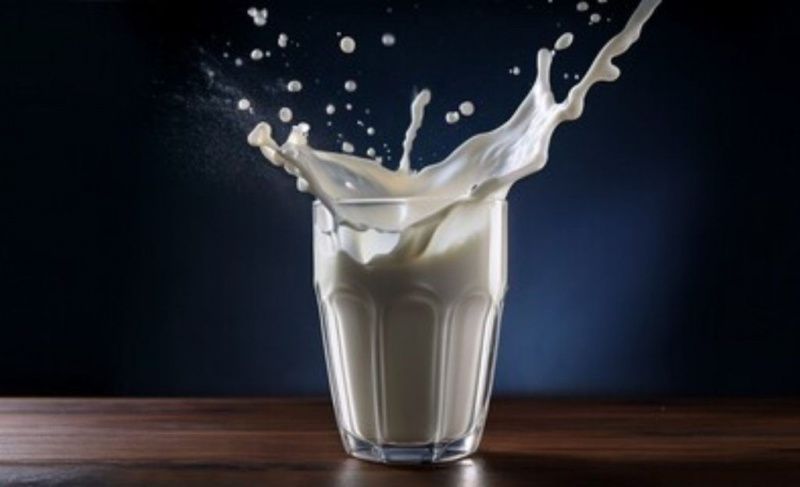
Dairy consumption in Chile is undergoing significant changes as consumers increasingly prioritize specific nutritional benefits, convenience, and products with added value. This shift is happening alongside a 6.2% increase in the reception of raw milk in 2025, reaching 2.371 billion liters.
Consumers are now more focused on functionality, convenience, and quality rather than just taste or price. This behavior is driving the development of new products and influencing the entire dairy category. One of the most noticeable changes is the rise of lactose-free options. Lactose intolerance remains a major barrier to dairy consumption in Chile, with 40% of adults and 48.3% of those over 60 years old reporting this condition.
The lactose-free segment is one of the most dynamic in the industry, with an expected annual growth rate of around 9%. Additionally, there is a growing demand for beverages with higher protein content and functional attributes, driven by consumers interested in wellness and targeted nutrition. According to Tetra Pak estimates, this category has tripled its volume over the past five years.
Products enriched with functional ingredients, such as oats, are also gaining popularity as consumers seek foods associated with well-being. Convenience has become central to purchasing decisions, with Ready to Drink products meeting the demand for solutions that are easy to transport, store, and consume outside the home.
At the same time, fortified milks developed to meet specific nutritional needs are becoming increasingly important. In Chile, the addition of vitamin D to milk is mandatory as per the Ministry of Health's regulations. The industry has also expanded its range of products enriched with nutrients like calcium and vitamin B12, catering to different consumer profiles.
Packaging innovations are keeping pace with these transformations. Aseptic carton containers allow milk to be preserved longer without refrigeration before opening, thanks to aseptic packaging technology. This not only extends the product's shelf life but also helps reduce food waste during storage and distribution.
These trends suggest that the future development of the dairy category will depend on the industry's ability to quickly adapt to new consumer expectations, combining nutrition, functionality, and convenience in products that align with diverse lifestyles.