Eleven Karnataka Milk Unions Report Profits as Price Pressure Grows
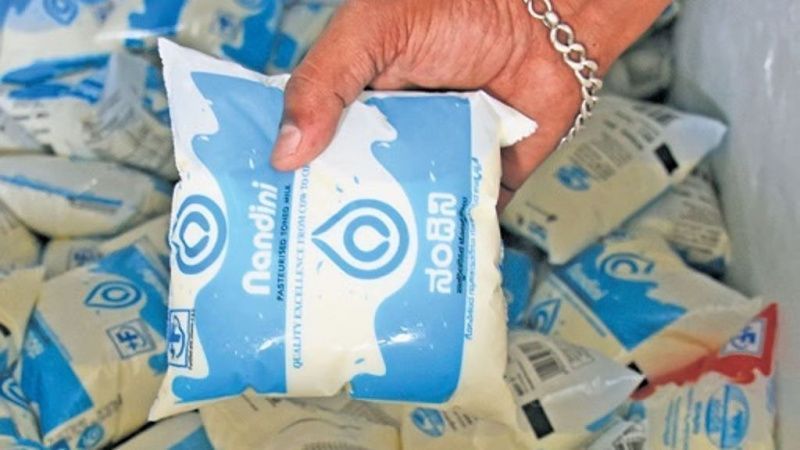
Eleven Karnataka milk unions have reported profits as the state’s dairy cooperatives face differing financial outcomes. District unions recording operating deficits reported losses ranging from 2 crore to 18 crore rupees. The shortfalls have been linked to higher logistics expenses, smaller daily milk collections and inefficiencies at local processing facilities.
Cost pressures include more expensive transport, increased electricity tariffs for cold-chain operations and higher prices for packaging materials. Seasonal changes in milk intake have added to the challenge for regional cooperatives. When surplus liquid milk cannot be processed locally, unions may have to transport it over longer distances to powder driers and conversion units in neighbouring areas, incurring additional charges.
Pressure has grown among regional processing leaders to approve a compulsory retail price increase of 5 rupees per litre. Cooperative representatives say existing retail revenue is not sufficient to cover higher payments to farmers together with statutory factory overheads. The proposed adjustment is being discussed as a way to restore balance-sheet solvency at unions facing operating deficits.
Primary producers receive direct cash support through state incentive schemes. District union leaders nevertheless say that retail prices must also be adjusted to maintain positive operating margins. They have identified rising industrial wage bills, alongside procurement incentives and factory costs, as expenses that current consumer prices do not adequately absorb.
The availability and use of processing assets has separated profitable unions from those making losses. Cooperatives with modern facilities for clarified butterfat, fermented curd, paneer and ambient dairy beverages have been able to sell higher-margin consumer products. These product lines have provided an alternative to relying only on fluid-milk sales.
Unions focused mainly on basic raw-milk chilling and bulk liquid distribution have had less flexibility. Such cooperatives have remained more exposed to compressed margins and price freezes, while lacking the manufacturing capacity to capture additional value from surplus milk solids. The contrast in product capabilities has accompanied the differing financial results among the district unions.