Data-Driven Strategies to Mitigate Dairy Methane Emissions in the UK
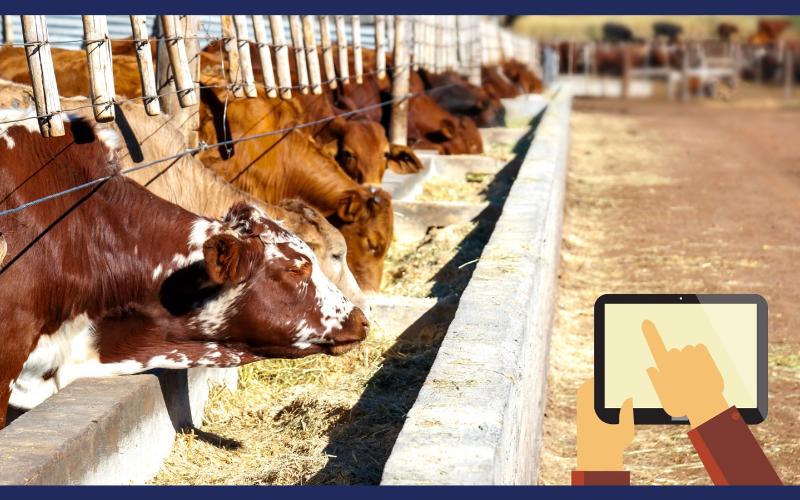
Map of Ag, a software platform in the UK, is utilizing data to help dairy farmers reduce methane emissions, a critical environmental concern. Senior livestock consultant James Husband emphasizes the importance of accurate animal inventories to calculate enteric emissions, which are the largest component of greenhouse gases in dairy farming. These inventories, supported by data from services like the British Cattle Movement Service and the Irish Cattle Breeding Federation, allow for precise daily calculations of emissions.
Feed emissions, which include the production, manufacture, and transport of feed, are identified as the second-largest source of emissions on farms. Husband notes the necessity of accurate data in these areas to address the embedded emissions effectively.
Additional variables such as inorganic and organic fertilizer usage also contribute to the emissions profile of a farm. Methods of storage and application significantly impact methane and nitrous oxide emissions, providing further areas for data-driven optimization.
At the Methane Connect event in Paris, Husband showcased a digital tool that models a herd's lifecycle, offering farmers a more transparent understanding of emissions data. This model helps farmers see the effects of different management practices on greenhouse gas emissions.
Overall, Husband is optimistic about the future of dairy farming, citing improvements in farm efficiency and animal health over the past 15 years. He highlights ongoing advancements in farm management, cow genetics, and new technologies as key drivers for reducing emissions incrementally.