Cull Cow Prices Rise as LRP Coverage Expands
Prices for cull cows have followed the wider rise in commercial beef values, although they do not move in exact step with feeder or fed cattle markets. The broader beef rally has been supported by tight national beef-cow inventories after several years of drought, higher feed costs and structural herd liquidation.
Industry risk advisers have identified the current strength in the market as a period when producers can use federally subsidised Livestock Risk Protection, or LRP, policies. The programme is designed to protect expected livestock revenue while leaving producers exposed to higher cash prices if the market rises.
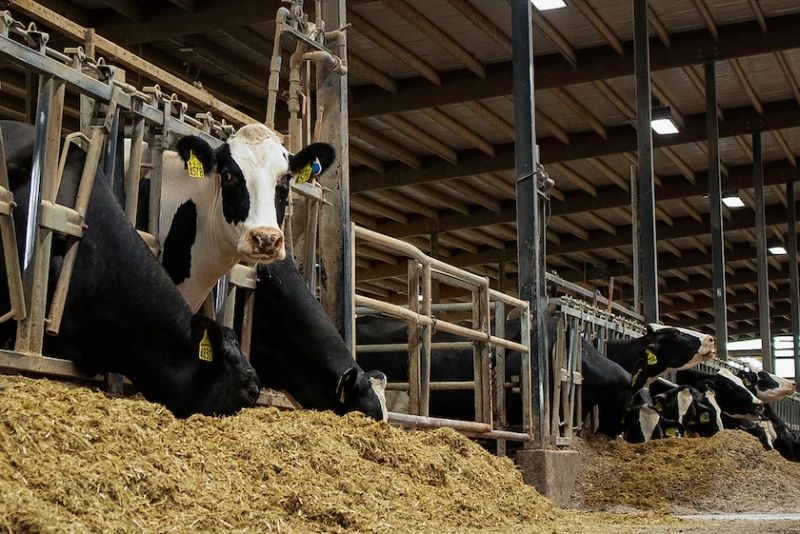
Downside exposure remains linked to developments in the dairy herd. US milk-cow inventories are at multi-decade highs, and the number of replacement heifers has started to increase. Some dairy farms are retaining mature cows for longer to obtain additional high-value beef-cross calves or to maintain milk production.
If those farms raise their culling rates at the same time, more slaughter cows could reach the market. That additional supply could put pressure on spot cash prices. The risk is relevant despite the elevated price level for cull cows and the broader strength of the beef market.
The USDA’s Risk Management Agency has changed the cull-cow LRP rules to permit coverage as far as 52 weeks ahead, compared with the former 13-week limit. Coverage sets a price floor using feeder-cattle futures and a multiplier determined by the agency. The policy does not place a ceiling on potential price gains.
Under the revised timeframe, a policy covering a period into the following year could establish a minimum value of roughly $1,870 to $1,900 per head. The subsidised premium could be only a few dollars per cow. If cash prices fall, the coverage is intended to preserve the protected farm revenue; if prices increase, farms can still receive the higher cash-market value.