China's Dairy Industry Shifts Focus to Functional Proteins
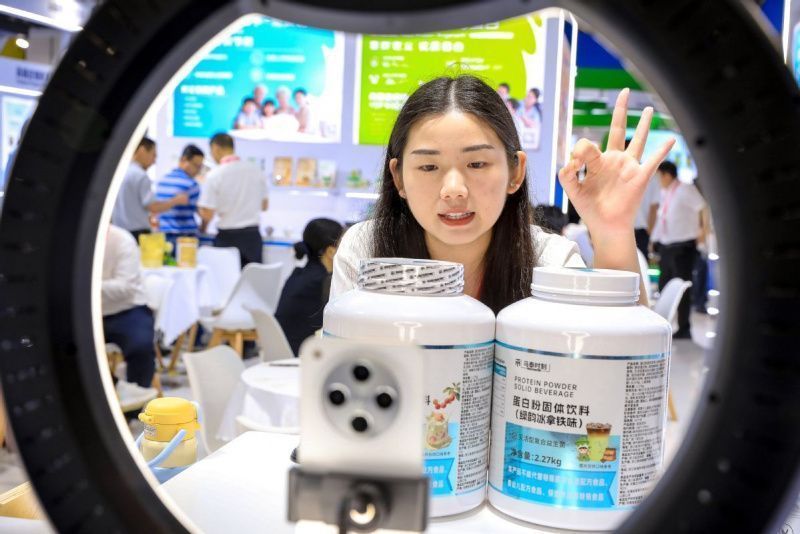
China's dairy industry is undergoing a transformation as it shifts its strategic focus towards functional proteins, responding to a growing demand for high-protein products such as sports nutrition supplements and ready-to-drink (RTD) protein beverages. According to a report by China Daily, this pivot was emphasized during the 17th Dairy Conference in Nanchang, Jiangxi province, where industry leaders highlighted the importance of high-value ingredients in achieving stronger profit margins.
Global prices for premium dairy proteins have seen a significant rise, with whey protein concentrate (WPC) prices increasing by 108% and whey protein isolate (WPI) prices jumping by 139% over the past two years, according to data from StoneX. This surge is attributed to limited processing capacity in the near term, coupled with an accelerating global demand for high-protein diets. Additionally, there is an expanding consumer base adopting GLP-1 weight-loss medications that incorporate protein supplementation.
In China, the sports nutrition sector has experienced considerable growth, with a compound annual growth rate (CAGR) of 22.7% between 2015 and 2024. By 2025, this sector is expected to reach a value of 6.8 billion yuan ($1 billion), with protein powders making up 62% of sales. Furthermore, the market for RTD liquid protein formats is booming, with online sales rising by 478.4% year-on-year to 34.72 million yuan, driven by products such as sports drinks and meal replacements.
International and domestic companies are actively working to capture this expanding market. Ireland's food board, Bord Bia, reported a 32% year-on-year increase in Irish whey exports to China in 2025, while casein export values grew by 36%. In China, leading dairy companies like Yili Group and Mengniu Group have launched high-protein liquid milk products and are exploring the protein water segment. Yili Group is further investing in intelligent manufacturing facilities to boost domestic production of high-value proteins like lactoferrin, casein, and whey protein.
This strategic shift towards specialized protein production is part of a broader structural evolution within China's dairy sector. By expanding local processing capabilities—with plans to achieve a combined daily processing capacity of 10,000 to 15,000 metric tons within three to five years—Chinese dairy producers aim to gain greater control over premium milk components, reduce reliance on imports, and capitalize on high-margin functional health trends.