Chiapas Livestock Faces Threats from Parasite and Economic Pressures
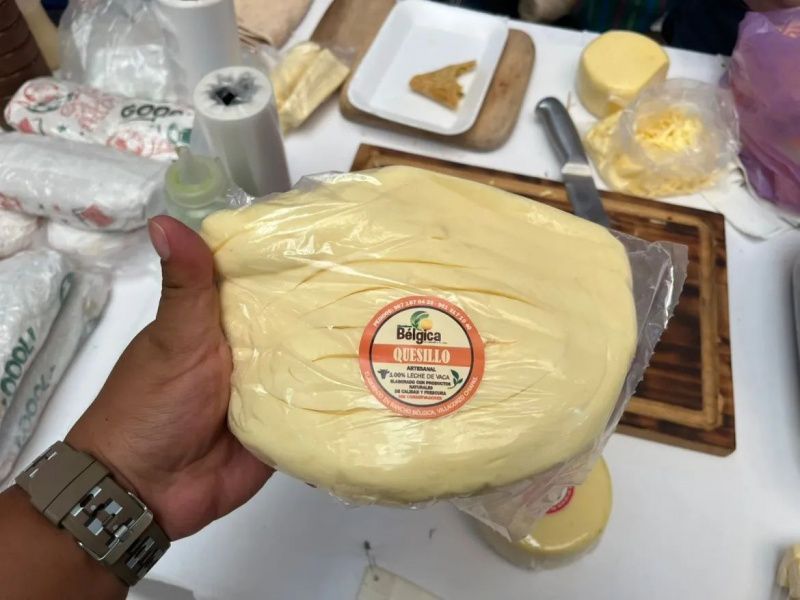
The livestock and cheese production sector in Chiapas is experiencing significant challenges due to a resurgence of the screwworm parasite, which is particularly affecting newborn calves. Heriberto Camacho, a local producer, highlighted that the parasite targets soft tissues, especially the navel, within the first three days of a calf's life. This has led to the implementation of immediate care protocols and appeals for treatment from health authorities to prevent further outbreaks.
However, there is a notable issue of underreporting in the region. Many producers are reluctant to officially report cases due to fears of stringent health restrictions that could impede the sale of their livestock. Despite these concerns, it is important to note that with proper technical management, including the isolation of affected animals, there is no direct risk of contamination to milk or artisanal cheese intended for human consumption.
Alongside the health crisis, financial difficulties are compounding the hardships faced by families involved in this industry. Since May, dairy sales have been declining, worsened by rising production costs and increased labor expenses. Inflationary pressures have significantly squeezed profit margins, leaving producers vulnerable to market fluctuations.
A critical issue for local producers is the disparity between actual production costs and the final sale price. Camacho pointed out that a quality artisanal cream cheese should ideally sell for between 200 and 250 pesos to break even. However, the current market price is merely 150 pesos, which is insufficient to reinvest in necessary technological advancements for improving farm efficiency.
The sector is urging consumers to prioritize regional products, which is crucial for sustaining livestock activities in the area. The ongoing battle for food sovereignty in Chiapas requires not only local support but also improved coordination between health authorities and producers to transparently eradicate pests without unfairly penalizing trade. The resilience of Chiapas dairy farmers relies on achieving a balance between herd health and fair pricing strategies.