Challenges in Canadian Dairy Farm Succession Planning
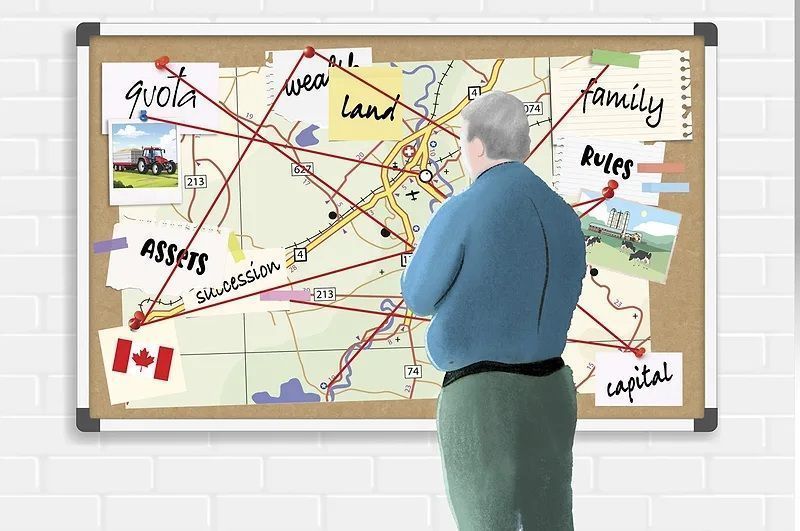
By 2026, the Canadian dairy sector is navigating a crucial juncture in farm succession, driven largely by the financial intricacies of transferring control to the next generation. The Canadian supply management system has amplified the value of milk quota assets, paired with high land values and advanced robotic systems, turning dairy farms into substantial corporate entities. This transformation complicates the transfer process, as straightforward buyouts threaten the financial stability of these operations.
Central to this challenge is the need to equitably distribute assets among farming and non-farming family members, while ensuring the financial security of retiring owners. At the 2026 Canadian Dairy Business Summit, experts highlighted the limitations of traditional estate division methods, which often result in forced farm sales. Instead, successful transitions now employ layered structures, acknowledge sweat equity, and implement long-term freeze strategies that permit gradual control transfer without incurring significant tax penalties.
Beyond financial considerations, effective communication within families is crucial for successful farm transitions. Consultants stress that postponing discussions about operational control and retirement plans can create tension and hinder operations. Establishing advisory boards and holding regular family meetings are strategies that help separate personal and business matters, ensuring clear expectations for both incoming operators and non-farming relatives.
The evolution of Canadian dairy farming is also altering retirement norms for senior operators. Rather than completely retiring, many choose to remain involved in advisory capacities, delegating daily tasks to successors while maintaining oversight of financial and strategic decisions. This gradual shift helps preserve institutional knowledge and local relationships through the transition.
Securing the future of family-owned dairy operations necessitates viewing succession as a continuous strategic process rather than a one-time event. With ongoing advancements in technology and rising compliance and input costs, early planning and professional advice are critical. By addressing both financial and human aspects proactively, Canadian dairy families can maintain their agricultural legacies and foster resilient operations for future generations.