Bluetongue Virus Detection Raises Concerns in UK Dairy Sector
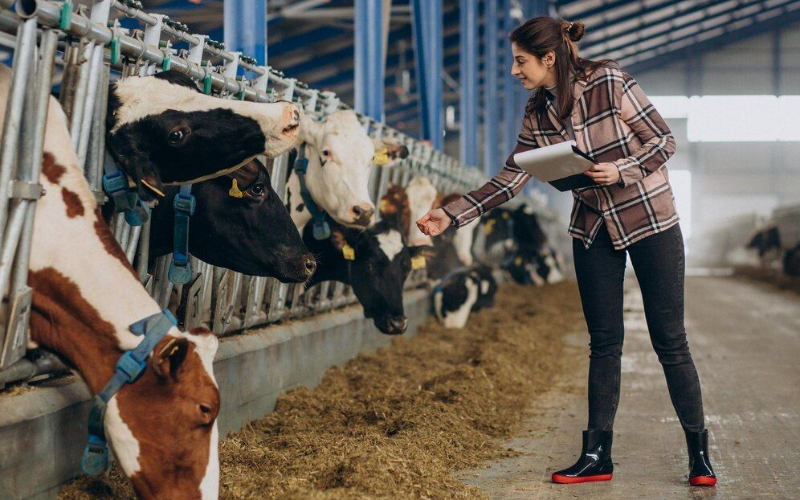
The confirmation of the bluetongue virus on a cattle farm in Shropshire has raised significant concerns in the United Kingdom's dairy and sheep sectors. The virus, which affects ruminants such as cattle and sheep, was identified on February 2, 2026, prompting immediate action from local authorities.
The detection of the virus necessitates strict livestock movement controls to prevent its spread across the region. The UK government is working closely with the affected farm and veterinary experts to contain the situation. This development has stirred worries about the potential impact on the country's dairy and sheep industries, which are vital components of the agricultural economy.
Bluetongue is transmitted by specific species of midges and can lead to severe health issues in infected animals, including fever, swelling, and respiratory problems. While there is no direct risk to human health, the economic implications for livestock farmers can be significant if the virus spreads unchecked.
Preventive Measures and Response
The UK Department for Environment, Food & Rural Affairs (DEFRA) has issued guidelines for farmers to enhance biosecurity measures and monitor livestock closely for any signs of illness. Movement restrictions and vector control measures are being enforced to mitigate the risk of further outbreaks.
The identification of bluetongue in Shropshire is the first case reported in the UK this year, highlighting the ongoing challenges faced by the agricultural sector in managing livestock diseases. Authorities remain vigilant and are prepared to implement additional measures if necessary to safeguard the health of the national herd.