
Biosecurity certification expected to reach 160 Brazilian dairy farms
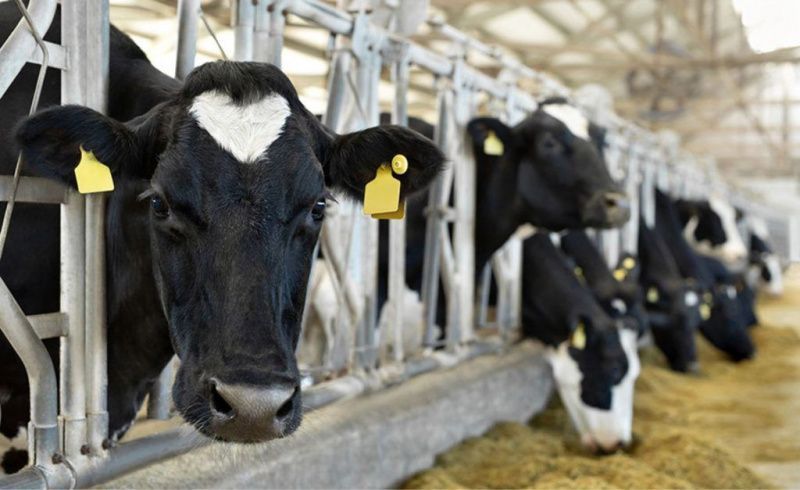
The programme builds on recommendations discussed during the covid-19 pandemic in 2020. Embrapa researcher Alessandro de Sá Guimarães said dairy farmers were becoming more aware of biosecurity, noting that cattle could transmit tuberculosis, brucellosis and leptospirosis to people, although they did not transmit covid-19. Fellow researcher Wanessa Araújo Carvalho expected the pandemic to encourage greater attention to biosecurity and investment in clean, safe technologies. Certification subsequently converted those recommendations into requirements that could be checked, giving farmers detailed assessments of their holdings and targets for adopting good practices. Carvalho highlighted the importance of dependable animal-health records: “Without a reliable health record, there is a risk of sending milk containing antibiotic residues to the tank.”
At Fazenda Colorado, in Araras, São Paulo state, every cow received antibiotics at drying-off in 2016. In 2026, around 80% of cows entering the dry period receive only a teat sealant, with antimicrobial treatment reserved for cases requiring it. The number of lactating cows increased from 1,700 in 2016 to 2,400 in 2024, while mastitis treatments declined. Farm director Sérgio Soriano began introducing selective dry-cow treatment after learning about it at a lecture in Italy in 2017. Adoption was gradual: by 2024, 64% of cows were being dried off without antibiotics. “Selection based on technical criteria replaces blanket treatment. Implementation and discipline have been guiding our routine, connecting the health of animals, the environment and people,” Soriano said.
Another certified operation, Fazenda Santa Luzia in Passos, Minas Gerais, changed its treatment practices by diagnosing animals before administering medicines. Antibiotic use fell by 50% for clinical mastitis and by 70% for bovine tick fever. Of 3,161 cases assessed, 1,366, or 43%, tested negative and did not require medication. The farm consequently avoided discarding 244,500 litres of milk annually during drug-withdrawal periods, with an estimated economic benefit of R$660,000 a year. Producer Maurício Coelho said as many as four out of ten treatments used under conventional practices could be avoided. He said improving the farm’s health status reduced costs and helped it prepare for international markets.
Antimicrobial resistance is regarded as one of the largest threats to global public health, and indiscriminate antibiotic use in animal production contributes to the emergence of resistant bacteria. The issue is addressed through the One Health approach, which recognises the interdependence of human, animal and environmental health. Mastitis accounts for a substantial share of antimicrobial use in dairy cattle: studies of dairy herds put the proportion associated with its treatment and prevention at between 52% and 62%. Eduardo Pires Macedo, Boehringer Ingelheim’s technical manager for ruminants, described the approach as making responsible decisions supported by technical evidence while retaining necessary treatment.
A Boehringer Ingelheim survey conducted in 2024–25 covered 65 farms in dairy-producing areas of São Paulo and Minas Gerais. On 67.7% of those farms, the first-choice mastitis treatment involved antimicrobial classes considered critically important to human medicine. Treatment began immediately, without diagnosis, on 43.1% of farms, including for mild cases. Only 12.3% used microbiological cultures before deciding whether to treat. More than half, 53.9%, did not record mastitis cases, and 90.6% did not weigh cows when calculating doses of injectable medicines.
On the consumer side, Alexandre Sardo, Xandô’s marketing and commercial manager, said 47% of consumers identified quality and trust as the main factors in their choice of milk. He also said 83% were willing to pay more for milk whose superior quality could be demonstrated. The company’s use of certification on retail packaging accompanies the programme’s adoption at farm level, where assessments and health records form part of the management practices presented by participating producers.
The farm results were presented at a meeting organised by Boehringer Ingelheim at Fazenda Colorado. Participants included representatives of Brazil’s Ministry of Agriculture and Livestock (Mapa), the national health surveillance agency (Anvisa), Embrapa Gado de Leite, the animal-health industry association Sindan and the milk producers’ association Abraleite, alongside dairy processors and large producers. José Peron, Boehringer Ingelheim’s animal-health director in Brazil, said: “Prevention, continuous monitoring and decision-making based on diagnostics represent the future of sustainable dairy farming.”










