An IDF symposium on non-bovine milk begins in Anand
The ninth IDF Symposium on Sheep, Goat, Camel and Other Non-Bovine Milk began at the National Dairy Development Board in Anand on February 9th and is scheduled to run through February 11th. The opening session included Gilles Froment, president of the International Dairy Federation; Meenesh Shah, chairman of NDDB and a member of the IDF board; Naveena B. Maheswarappa, India’s animal husbandry commissioner; Takayuki Hagiwara, the Food and Agriculture Organisation’s representative in India; and Laurence Rycken, IDF’s director general.
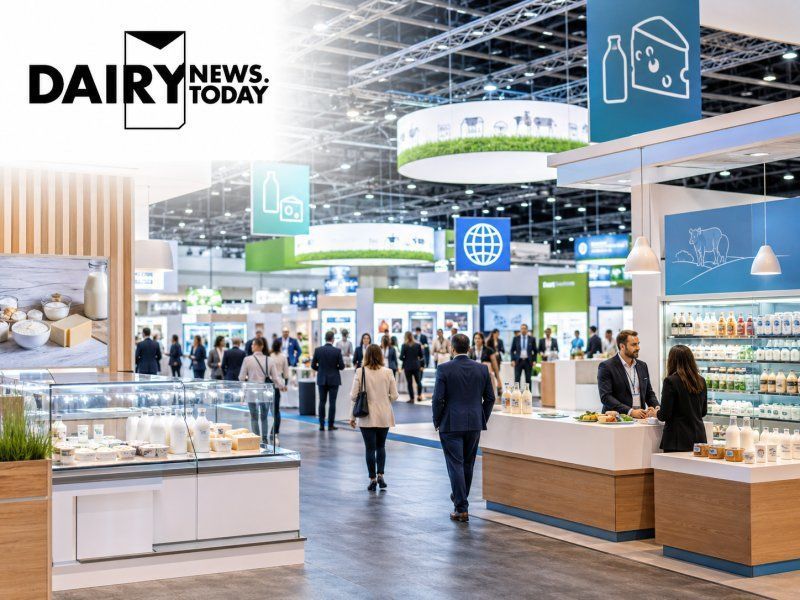
The meeting has drawn more than 90 delegates from India and other countries, including academics, dairy companies, milk producers, processors, policymakers and sector specialists. Its seven technical sessions cover emerging markets and consumer behaviour, the livelihoods of smallholders, farm-management methods, processing and quality, product development, biosecurity and disease control, and international standards and policies. Posters on non-bovine milk are also being displayed, while exhibitors are presenting technologies, services and other innovations.
Mr Froment described sheep, goat and camel milk as options for areas facing difficult climatic conditions. He set out six priorities for the dairy sector: the environment, animal welfare, nutrition, food safety, health and inclusivity. He said global milk production had passed one billion tonnes but had not grown evenly, and referred to India’s 25% share of production. He called for wider development of non-bovine dairy through food safety, innovation and stronger nutrition data, as well as closer international cooperation and climate-resilient practices before the FAO’s 2026 International Year of Rangelands and Pastoralists.
Dr Shah said non-bovine milk was increasingly important because of its climate resilience, nutritional contribution and links to women’s livelihoods. He referred to India’s shift from milk shortages to self-sufficiency through Operation Flood and said further expansion would involve cooperatives and scientific programmes such as the National Dairy Plan. NDDB initiatives he cited included free vaccination against foot-and-mouth disease and brucellosis under the Animal Disease Control Programme, disease-management work, sex-sorted semen and genomic technologies. He also mentioned progress in goat artificial insemination and the marketing of camel milk through Amul’s Sarhad Dairy, and urged the expansion of such models so farmers receive more of the value generated by consumer products.
Dr Maheswarappa linked the symposium to the UN’s 2026 International Year of Grazing Lands and Pastoralists. She said demand for varied animal proteins was increasing and described sheep, goat and camel value chains as low-carbon systems associated with nutrient-rich milk and organic or free-range production. She advocated advanced processing, reliable certification, traceability and cluster-based, science-led development to create higher-value products and strengthen supply chains.
Mr Hagiwara said camel, goat and sheep milk would have a role in India’s dairy development, citing the need for stronger value chains, marketing and promotion of products such as goat cheese. He referred to work in Rajasthan and Kutch, including Sarhad Dairy, and said camel milk’s nutritional value was receiving greater recognition. He called for further research with the Indian Council of Medical Research and reaffirmed the FAO’s willingness to work with NDDB and the Indian government on pastoralist livelihoods. Ms Rycken said climate change, urbanisation and changing consumer expectations were reshaping dairy markets, and called for practical, data-based measures to address value-chain barriers and strengthen sustainability.