Algeria's Major Project to Boost Powdered Milk Production
In a significant development for Algeria's dairy industry, a $3.5 billion agro-industrial project is underway to establish one of the largest integrated dairy farms and powdered milk production facilities globally. This ambitious venture, located in Algeria's Adrar province, is being developed through a partnership between the Algerian National Investment Fund and Qatari dairy producer Baladna Q.P.S.C.
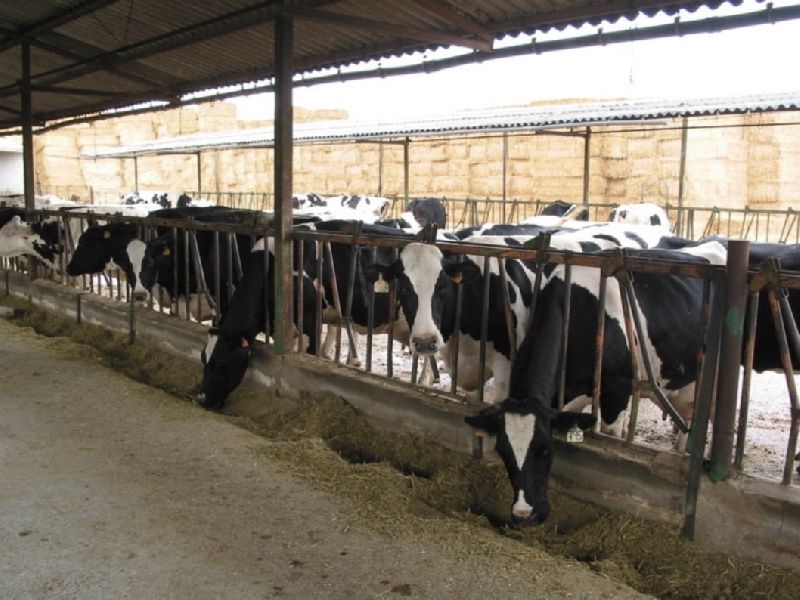
The project, which spans 117,000 hectares of agricultural land, is planned to support a herd of 270,000 dairy cows. Once fully operational by late 2027, the facility is expected to produce up to 100,000 tonnes of powdered milk annually, satisfying approximately 50% of Algeria's domestic needs.
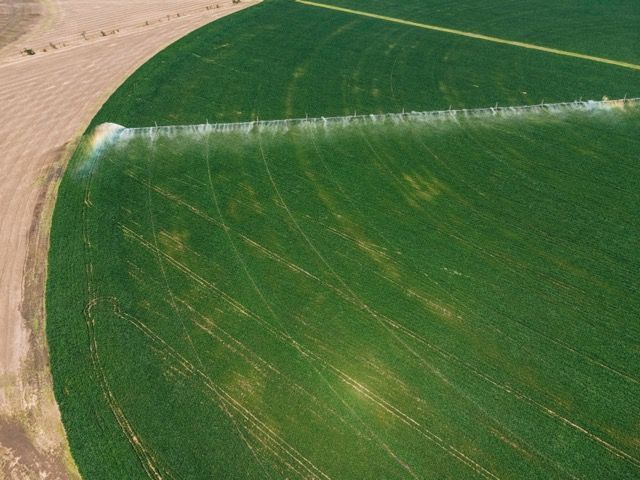
The arid location poses significant challenges, as the region experiences temperatures exceeding 40°C for over 130 days a year. To overcome this, a comprehensive irrigation system has been implemented. Green Power Systems, in collaboration with FPT Industrial, is providing critical power solutions to support these irrigation efforts.
Green Power Systems has delivered 50 GP330 S/I-A generator sets equipped with FPT CURSOR 13 engines. These generators, capable of providing up to 330 kVA, are essential for the continuous operation of central pivot irrigation systems, which are crucial for transforming the arid land into fertile agricultural zones.
Flavio Faggiolini, export area manager for Green Power Systems, highlighted the importance of reliable power generation in such large-scale projects. Vittorio Bertalli, head of sales EMEA at FPT, emphasized the project's role in enhancing Algeria's food security and creating around 5,000 local jobs.
The FPT CURSOR 13 engines are designed for robust performance and fuel efficiency, meeting various emissions standards from unregulated to Stage V / Tier 4 Final. The engines feature an electronically controlled unit injector for precise power delivery and rapid load response, making them suitable for demanding operational contexts.
Additionally, the engines' advanced emissions reduction technology, combined with a 600-hour service interval, maximizes uptime and minimizes maintenance, ensuring the project's sustainability and efficiency.